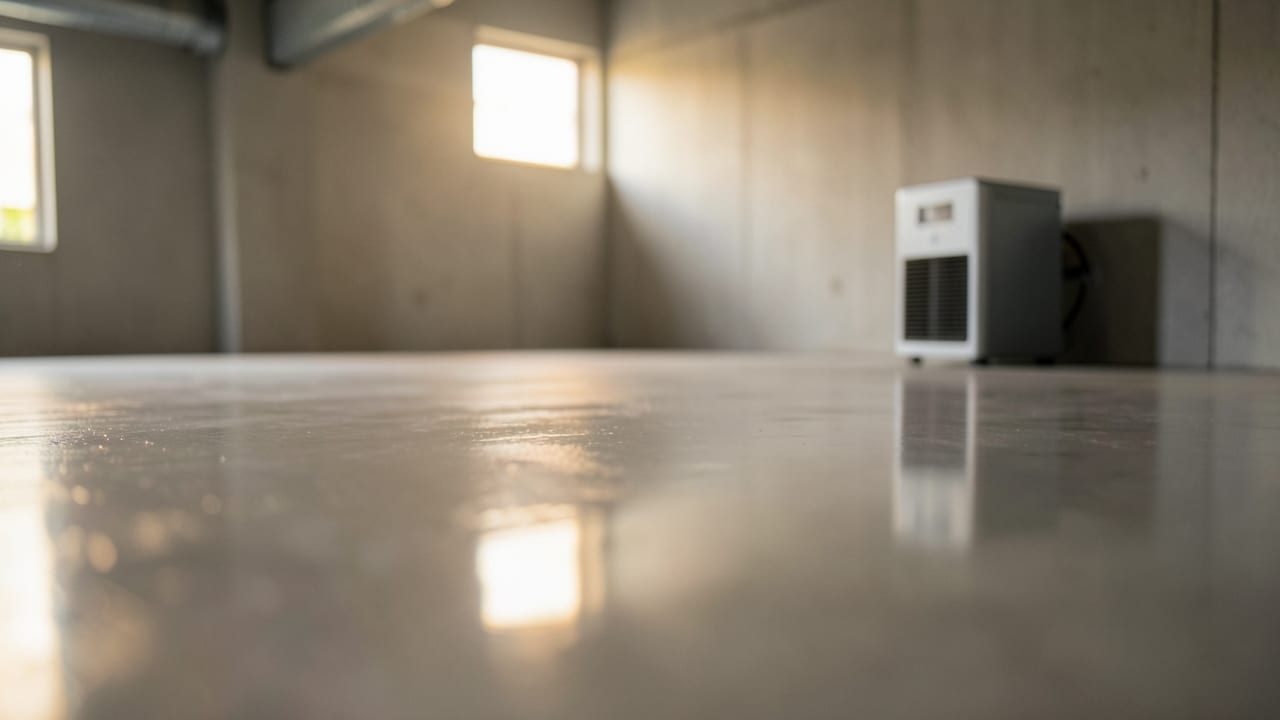
Post-Remediation Sealing
Applying protective sealants to surfaces after mold remediation to prevent future growth.
Post-remediation sealing in Vernon, CT, involves applying specialized coatings to treated surfaces after mold removal. This step creates a protective barrier that helps prevent moisture absorption and future mold growth, ensuring the remediation effort lasts longer.
Proper sealing is part of a full mold cleanup process that includes containment, removal, and drying to address both visible and hidden contamination.
We also handle Bathroom Mold Removal and Kitchen Mold Cleanup for Vernon properties.
When is sealing needed?
Sealing is typically done after mold remediation when porous materials like drywall or insulation have been removed and non-porous surfaces (such as framing or tile) have been treated. It’s also recommended for areas where moisture recurrence is likely, like basements, bathrooms, or windowless rooms.
Signs that sealing may be necessary include visible mold returning after cleanup or persistent dampness in the same spot.
Sealing helps protect treated areas from future moisture exposure, which is the primary cause of mold regrowth. Without it, even properly cleaned surfaces can become reinfected if moisture isn’t controlled. This step is especially important in older homes or areas with chronic humidity issues, like Vernon’s basements or crawl spaces.
Signs You May Need Post-Remediation Sealing
- Mold reappears in the same spot after cleaning or removal.
- The affected area stays damp or feels persistently humid, even after drying.
- You notice a musty smell that doesn’t fade, even after visible mold is gone.
- The mold covered more than a small, isolated patch (e.g., 25+ square feet).
- The space has poor airflow, like a windowless bathroom or closet.
What affects the cost?
The cost of post-remediation sealing depends on the size of the treated area, the type of sealant used, and the condition of the surfaces. Basic vapor barriers are less expensive than full encapsulation, which may be needed for high-risk areas.
Labor and materials also vary based on accessibility—sealing in tight or hard-to-reach spaces takes more time and effort.
Additional factors include whether the work follows industry standards like IICRC S520, which may require extra steps like containment or clearance testing. While sealing itself is a smaller part of the overall remediation process, skipping it can lead to faster regrowth, making it a cost-effective long-term solution.
What to expect during the process
After mold removal, surfaces are cleaned and dried to a normal moisture level before sealing begins. The sealant is applied in thin, even layers to create a barrier that resists moisture. Some areas may require multiple coats or additional protective measures, like encapsulants for high-risk zones.
The goal is to make the treated space less inviting to mold spores while maintaining airflow to prevent trapped humidity.
Sealing is the final step before clearance testing, which confirms that spore levels are back to normal. Without sealing, even properly remediated areas can become reinfected if moisture isn’t controlled. This step is especially critical in Vernon’s climate, where humidity and seasonal temperature shifts can promote mold regrowth.
How post-remediation sealing works
Sealing is the final protective step after mold removal.
- 1Surface Preparation
Treated surfaces are cleaned, dried, and inspected for residual moisture or damage. Any uneven or porous areas are smoothed or repaired to ensure the sealant adheres properly.
- 2Sealant Application
A specialized coating is applied in thin layers to create a moisture-resistant barrier. The type of sealant depends on the surface—vapor barriers for drywall, encapsulants for high-risk areas like basements.
- 3Drying and Curing
The sealed area is allowed to dry fully, which may take hours or days depending on humidity levels. Proper curing ensures the barrier is fully effective against future moisture.
- 4Clearance Testing
An independent test confirms spore levels are back to normal before the work is considered complete. This step verifies that sealing, along with prior remediation, has been effective.
- 5Post-Sealing Monitoring
Homeowners are advised to monitor humidity in the treated area and address any new dampness promptly to prevent regrowth. Small fans or dehumidifiers may be recommended for persistently damp spaces.
Frequently asked questions
Can I seal mold-damaged areas myself, or should I hire a professional?
DIY sealing is possible for small, low-risk areas, but professional application ensures proper adhesion, coverage, and use of the right materials. Professionals also follow industry standards like IICRC S520, which includes containment and clearance testing to confirm the job is done correctly.
How long does sealing last, and will it prevent mold from coming back?
Sealing can last for years if applied correctly and the moisture source is fixed. However, it’s not a permanent solution—regular monitoring for dampness or musty smells is important. Without addressing the root cause (like leaks or poor ventilation), mold may still return.
Do I need to seal areas where mold was removed but no visible damage was done?
Sealing is most critical for porous materials that were cut out or treated, but non-porous surfaces (like tile or metal) may also benefit from a protective coating if they were exposed to moisture. Consulting a professional helps determine if sealing is necessary for your specific situation.
Will sealing affect the appearance or usability of the treated area?
Modern sealants are designed to be low-odor and non-toxic, with minimal impact on appearance. Some may require repainting, but the barrier itself is discreet. Functionally, sealing doesn’t restrict airflow if applied correctly—it simply adds a moisture-resistant layer.
See Simsbury Center, CT for more, or check out the rest of our Vernon lineup in one place for our complete lineup.
Ready to get started?
Talk to a local mold remediation pro in Vernon — get a written quote.
Other Mold Remediation Services in Vernon
Bathroom Mold Removal in Vernon, CT
Professional assessment and removal of mold in bathrooms to restore a safe, clean environment.
Learn More
Kitchen Mold Cleanup in Vernon, CT
Professional assessment and removal of mold in kitchen areas to restore a safe, clean environment.
Learn More
Garage Mold Removal in Vernon, CT
Professional assessment and removal of mold growth in garages to restore a safe, clean space.
Learn More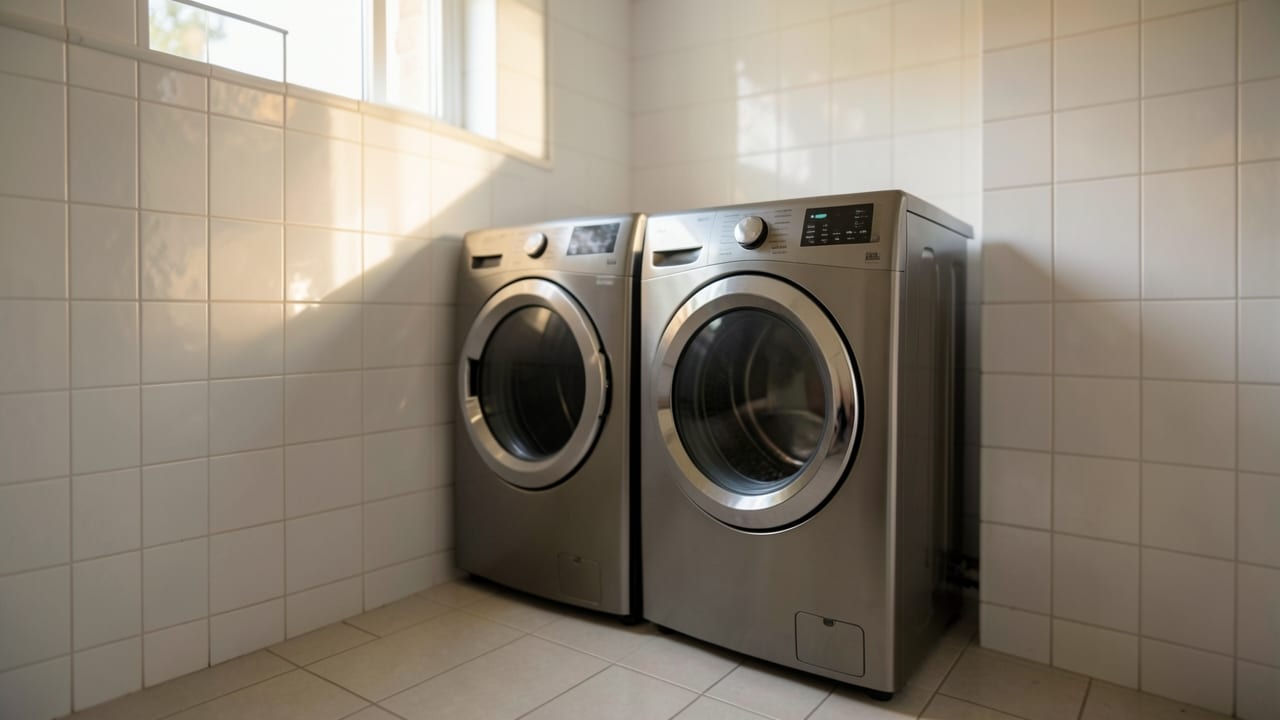
Laundry Room Mold Cleanup in Vernon, CT
Professional mold removal and remediation in laundry rooms to restore a safe, clean space.
Learn More
Window Sill Mold Cleanup in Vernon, CT
Professional cleanup of mold growth on window sills to restore a healthy indoor environment.
Learn More
Flood Damage Mold Remediation in Vernon, CT
Professional mold removal and remediation after flood damage in homes.
Learn MoreCommon Questions About Mold Remediation in Vernon
Everything you need to know about mold remediation services in Vernon
How much does Post-Remediation Sealing typically cost in Vernon, CT?
Why does Vernon, CT's humidity make mold a bigger risk than in drier regions?
Is it safe to stay in the home during mold remediation?
Can small mold problems be handled without hiring anyone?
What's the actual difference between mold removal and mold remediation?
Is a final clearance test part of a typical mold remediation job?
Need Mold Remediation in Vernon?
Connect with local providers in Vernon for a detailed quote.
⏰ We answer your call • Serving all of Vernon and surrounding areas