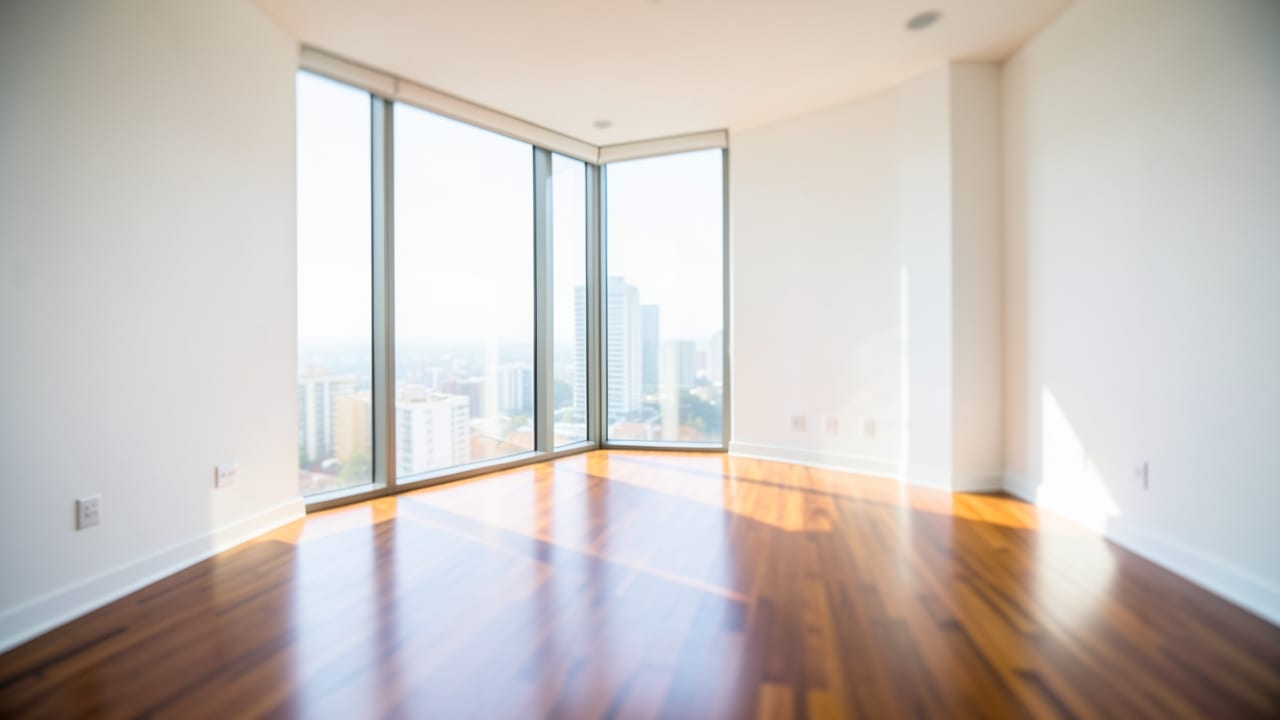
Condo Mold Remediation
Professional removal and treatment of mold in condominiums to restore safe, healthy living spaces.
Condo mold remediation in Vernon, CT addresses hidden mold growth in shared or individual units by containing spores, removing contaminated materials, and restoring affected areas to prevent regrowth. Proper ventilation and moisture control are essential to long-term solutions in Vernon’s humid climate and older housing stock.
When to call for mold remediation
Mold growth in condos often starts small but spreads quickly if moisture issues persist. A patch larger than 25 square feet, recurring mold after cleaning, or a musty smell without visible growth are clear signs that professional remediation is needed.
We also handle Pre-Sale Mold Clearance and Post-Remediation Sealing for Vernon properties.
Hidden mold behind walls or under flooring requires specialized tools and techniques to locate and address.
Vernon’s older buildings and shared walls can trap moisture, creating ideal conditions for mold. If your unit has poor airflow, like a windowless bathroom or basement corner, stagnant air increases the risk of hidden growth.
A small fan or dehumidifier can help, but professional remediation is the only way to fully remove deep-seated contamination.
Signs You Need Professional Mold Remediation
- Mold covers more than a small, isolated patch (25+ square feet).
- Cleaned mold keeps returning in the same spot.
- A musty smell persists even after cleaning surfaces.
- You notice mold growth after a leak or water damage, even if the water is gone.
What affects pricing and timeline
The size of the affected area, the type of materials involved, and whether hidden mold is present all impact the cost and duration of remediation. Shared walls or common areas in condos may require coordination with neighbors or HOA rules, which can add time and complexity.
Containment, HEPA filtration, and clearance testing are standard steps that ensure the job is done thoroughly. Skipping these can lead to incomplete removal and regrowth, but they also increase the total cost. Pricing varies based on whether the work is contained to one unit or spans multiple shared spaces.
What happens after remediation?
After mold is removed, fixing the moisture source—like a leak, poor ventilation, or grading issues—is critical to prevent regrowth. Industrial dehumidifiers and air movers dry structural materials to safe moisture levels before containment is removed. Without addressing the root cause, mold often returns within months.
Independent clearance testing confirms spore levels are back to normal before the area is released. This step is essential but often omitted in cheaper, less thorough jobs. Monitoring humidity in the treated space for the first year helps catch early signs of recurrence.
| Step | Purpose | Why It Matters |
|---|---|---|
| Containment | Seals off the work area with plastic sheeting and negative-air machines. | Prevents spores from spreading to unaffected areas. |
| HEPA Filtration | Uses HEPA air scrubbers and vacuums to capture spores. | Standard filters recirculate spores—HEPA traps them. |
| Clearance Testing | Independent lab tests air or surfaces post-remediation. | Confirms mold levels are back to normal. |
| Moisture Source Fix | Repairs leaks, improves ventilation, or adjusts grading. | Without this, mold regrows despite removal. |
How condo mold remediation works
Professional remediation follows strict steps to contain spores, remove contaminated materials, and restore the space safely.
- 1Containment
Plastic sheeting and negative-air machines seal the work area, trapping spores inside and preventing them from spreading through hallways or HVAC systems.
- 2Removal of Contaminated Materials
Porous materials like drywall and carpet padding are cut out and bagged, while non-porous surfaces like tile and framing are scrubbed and treated.
- 3HEPA Filtration and Cleanup
HEPA air scrubbers run continuously, and surfaces are vacuumed with HEPA-filtered equipment to capture airborne spores during removal.
- 4Structural Drying
Industrial dehumidifiers and air movers dry framing and subfloors to normal moisture levels before containment is removed.
- 5Clearance Testing
An independent lab tests air or surfaces to confirm spore levels are back to a normal range before the area is considered finished.
Frequently asked questions
Can I clean small mold patches myself, or should I call a professional?
Small patches (under 25 square feet) can often be cleaned with vinegar or bleach, but if the mold keeps returning or spreads, professional remediation is needed. Hidden mold or musty smells without visible growth usually mean deeper contamination.
How long does the remediation process take?
The timeline depends on the size of the affected area and whether hidden mold is involved. Containment, removal, drying, and testing can take anywhere from a few days to over a week for larger or complex jobs.
Will my condo unit need to be vacated during remediation?
Most remediation work can be done while you’re present, but containment measures may require sealing off the unit temporarily. The crew will coordinate with you to minimize disruption.
How do I know if the mold has really been removed after the work is done?
Independent clearance testing is the only way to confirm mold levels are back to normal. Ask for this step to be included in your remediation plan—it’s often omitted in cheaper jobs.
See Somers, CT for more, or explore what we cover for Vernon properties from start to finish for our complete lineup.
Ready to get started?
Talk to a local mold remediation pro in Vernon — get a written quote.
Other Mold Remediation Services in Vernon
Pre-Sale Mold Clearance in Vernon, CT
Pre-sale mold clearance involves inspection and testing to confirm a property is mold-free before purchase.
Learn More
Post-Remediation Sealing in Vernon, CT
Applying protective sealants to surfaces after mold remediation to prevent future growth.
Learn More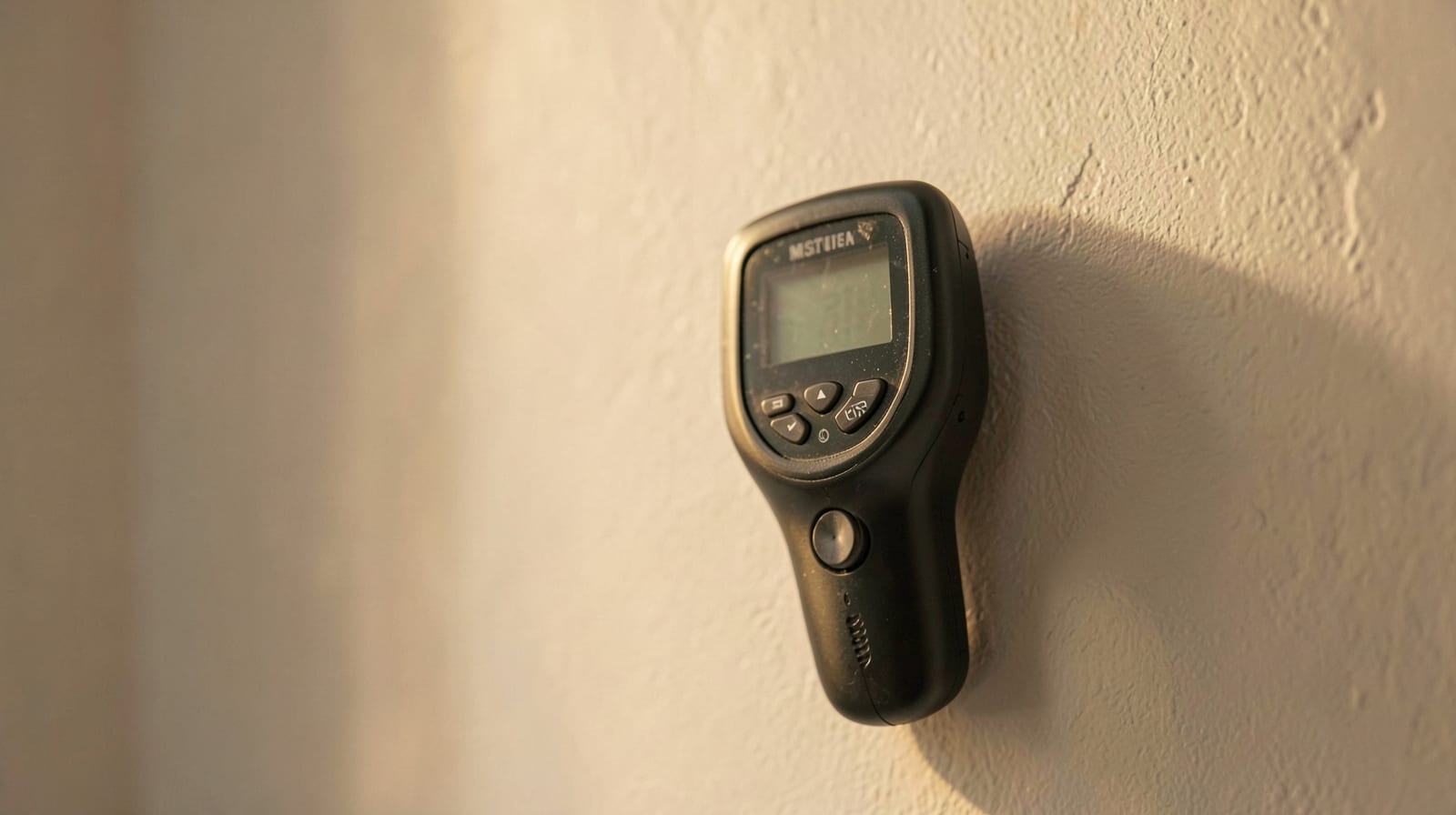
Mold Inspection in Vernon, CT
Mold inspection in Vernon, CT — a visual and moisture-meter assessment that finds the source of growth, not just the visible spot on the wall.
Learn More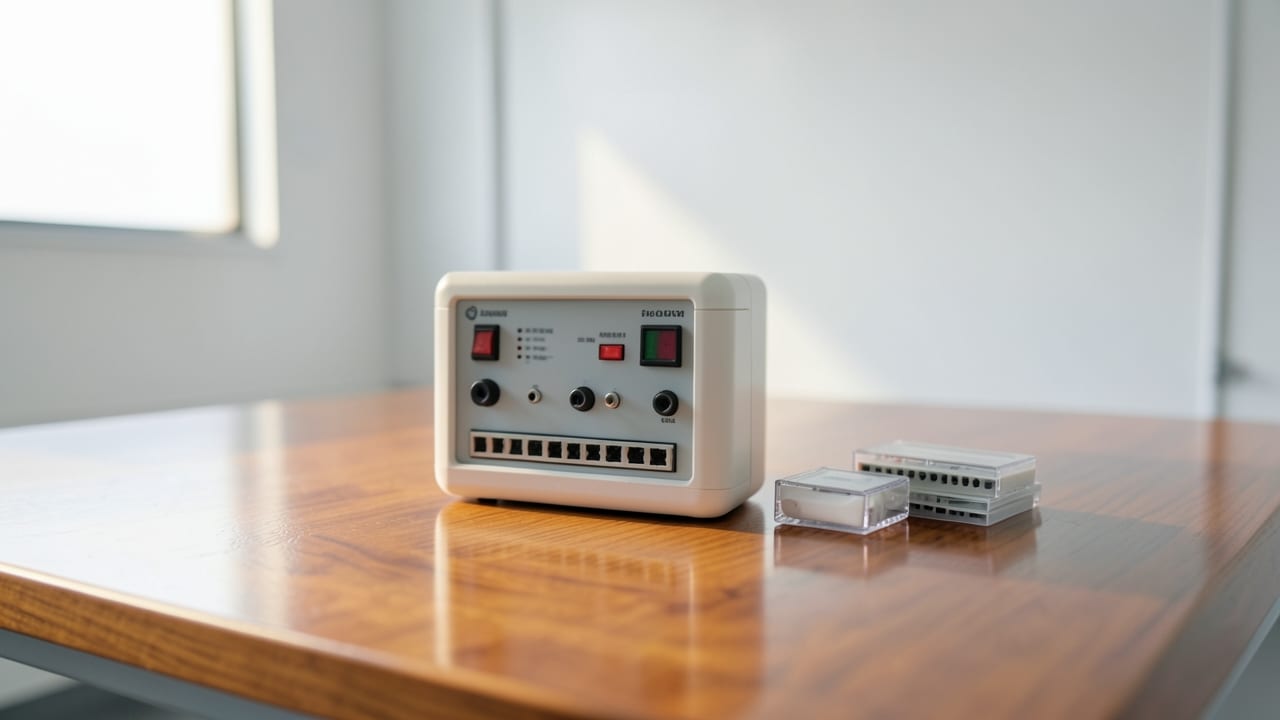
Mold Testing & Air Quality Testing in Vernon, CT
Mold and indoor air quality testing in Vernon, CT — lab-analyzed air and surface samples confirm what's actually growing and whether it's airborne.
Learn More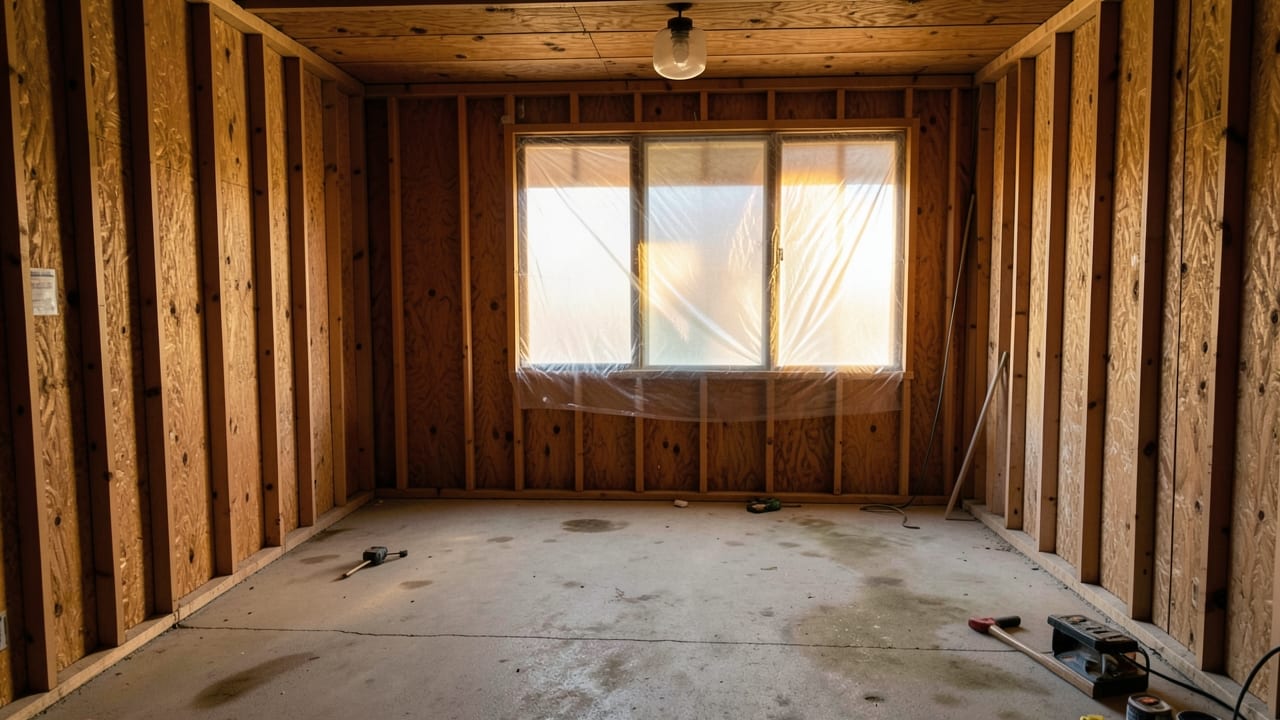
Mold Removal & Remediation in Vernon, CT
Mold removal and remediation in Vernon, CT — containment, HEPA filtration, and removal of affected material following industry (IICRC S520) protocol.
Learn More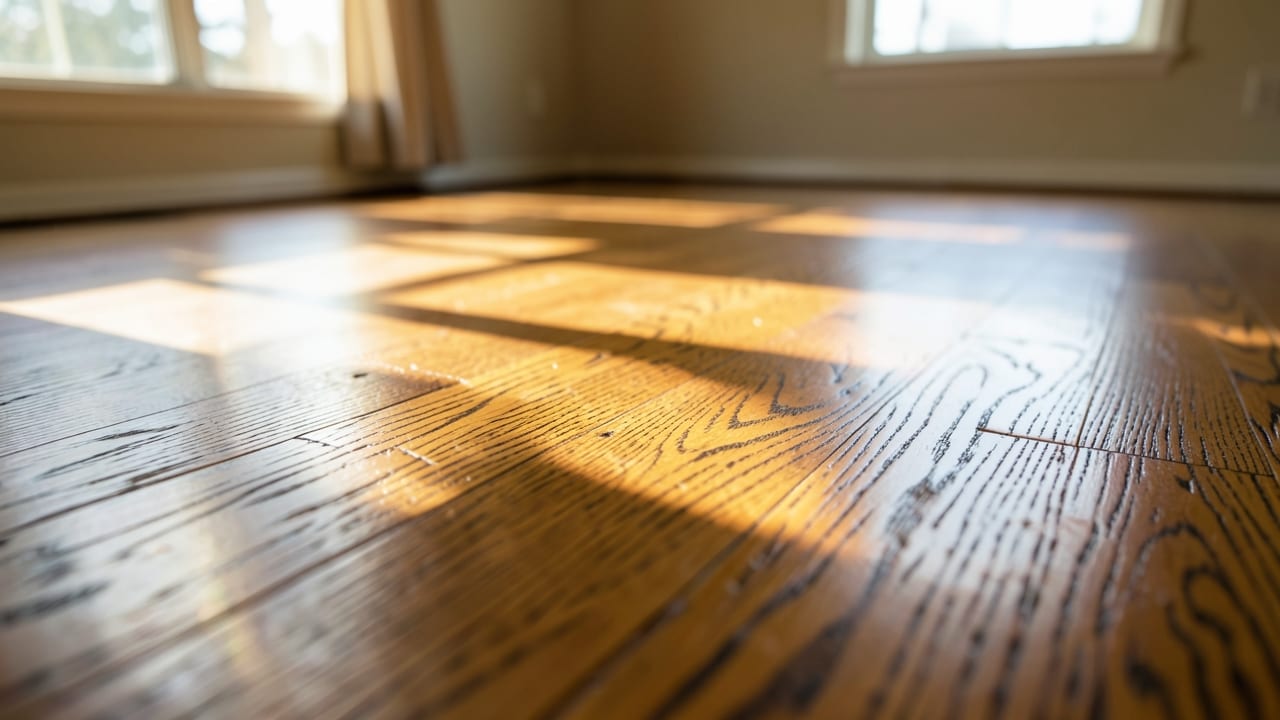
Water Damage Restoration in Vernon, CT
Water damage restoration in Vernon, CT — extraction and structural drying to stop mold growth before it starts, following a leak, storm, or flood.
Learn MoreCommon Questions About Mold Remediation in Vernon
Everything you need to know about mold remediation services in Vernon
How much does Condo Mold Remediation typically cost in Vernon, CT?
Why does Vernon, CT's humidity make mold a bigger risk than in drier regions?
Is it safe to stay in the home during mold remediation?
Can small mold problems be handled without hiring anyone?
What's the actual difference between mold removal and mold remediation?
Is a final clearance test part of a typical mold remediation job?
Need Mold Remediation in Vernon?
Connect with local providers in Vernon for a detailed quote.
⏰ We answer your call • Serving all of Vernon and surrounding areas