
Hospital Mold Removal
Professional assessment and removal of mold in hospitals to ensure a safe, healthy environment.
When mold spreads in Vernon homes, proper removal is critical to protect health and prevent regrowth. Hospital-grade mold remediation follows strict containment, removal, and drying protocols to safely eliminate hidden growth in walls, HVAC systems, and damp spaces.
Unlike surface cleaning, this approach targets deep contamination while addressing moisture sources to help keep mold from returning.
We also handle Pre-Sale Mold Clearance and Post-Remediation Sealing for Vernon properties.
When to call for professional mold removal
Mold covering more than a small patch—especially if it keeps returning after cleaning—often signals a deeper issue. Hidden growth behind walls, under flooring, or inside ducts can spread spores throughout the home, posing health risks.
A musty smell with no visible mold or growth that worsens when the HVAC runs may mean contamination is inside ductwork or structural materials.
DIY methods like bleach or vinegar rarely reach deep into porous materials like drywall or insulation, where mold roots take hold. Without containment and HEPA filtration, disturbed spores can settle in unaffected areas, turning a small job into a larger one.
If mold covers more than 25 square feet or recurs despite cleaning, professional remediation is typically recommended to address the source safely.
Signs You Need Mold Remediation
- Mold growth covering more than 25 square feet in a single area
- Visible mold returning within weeks after cleaning
- A musty smell with no visible mold, especially when HVAC runs
- Water stains or dampness in walls, ceilings, or floors
- Health symptoms (sneezing, coughing, skin irritation) that worsen in certain rooms
What affects pricing and timing
The cost and duration of mold remediation depend on the size of the affected area, the type of materials involved, and whether hidden contamination is found during removal.
Containment, HEPA air scrubbing, and clearance testing add to the total, as does the need to fix moisture sources like leaks or poor ventilation. Complex jobs—such as mold in HVAC systems or large wall cavities—require more labor and equipment, extending the timeline.
Pricing is usually project-based rather than per-square-foot for homes, as the scope can change once walls or flooring are opened. A low upfront quote may exclude containment, testing, or moisture fixes, leading to unexpected costs later.
Always ask for a written scope of work that includes inspection, remediation, and clearance testing to compare bids accurately.
After remediation: steps to help prevent regrowth
Even after mold is removed, moisture left unchecked can lead to new growth. Industrial dehumidifiers and air movers dry structural materials to safe levels, but maintaining proper humidity (below 60% relative humidity) in affected rooms is key.
Stagnant air in closets, basements, or windowless bathrooms should be circulated with fans or dehumidifiers to prevent condensation.
Outdoor factors like poor grading or downspouts dumping near the foundation can also feed moisture back into the home. Checking humidity levels periodically in the first year after remediation helps catch early signs of recurrence before it spreads.
Use a hygrometer to monitor humidity in previously affected rooms—keep it below 60%. Install exhaust fans in bathrooms and kitchens, and ensure proper ventilation in basements and attics. Fix leaks promptly, and redirect downspouts at least 5 feet away from the foundation.
How hospital-grade mold removal works
This process follows strict containment and filtration protocols to safely eliminate mold and prevent spore spread.
- 1Containment Setup
Plastic sheeting and negative-air machines seal the work area, creating a controlled zone to trap spores during removal. Doors and vents are blocked to prevent cross-contamination into unaffected parts of the home.
- 2Material Removal or Cleaning
Porous materials like drywall or carpet padding—where mold grows deep—are cut out and bagged. Non-porous surfaces like tile or metal framing are scrubbed with antifungal treatments and HEPA-vacuumed to capture loose spores.
- 3HEPA Filtration and Drying
HEPA air scrubbers run continuously to filter airborne spores, and industrial dehumidifiers dry structural materials to prevent regrowth. Moisture readings confirm materials are back to safe levels before containment is removed.
- 4Clearance Testing
An independent lab tests air and surfaces for remaining spores to verify the space meets normal levels. Results guide final cleanup, ensuring the job is complete before the area is reopened.
- 5Moisture Source Fixes
Leaks, poor ventilation, or grading issues are addressed to eliminate the conditions that allowed mold to grow in the first place. Without fixing the source, mold often returns within months.
Frequently asked questions
Can I clean small mold patches myself, or should I call a professional?
Small, isolated patches (under 10 square feet) on non-porous surfaces like tile or glass can often be cleaned with detergent and water. However, if the mold covers a larger area, keeps returning, or you suspect hidden growth, professional remediation is safer to prevent spore spread and address moisture sources.
How long does the remediation process usually take?
The timeline varies based on the size and complexity of the job, but containment, removal, and drying can take anywhere from a few days to over a week for larger or hidden mold. Clearance testing may add another day or two before the area is considered safe to reoccupy.
Will my home insurance cover mold remediation?
Most homeowners’ policies exclude mold damage unless it’s sudden and accidental (e.g., a burst pipe). Check your policy for coverage limits and deductibles, and consider adding mold protection coverage if your home is prone to moisture issues. Document any leaks or water damage to strengthen a claim.
How do I know if mold is still there after remediation?
A post-remediation clearance test by an independent lab is the only way to confirm mold levels are back to normal. Without testing, you may not know if spores remain hidden. Watch for recurring musty smells, visible growth, or health symptoms as signs to retest.
See Newington, CT for more, or browse every option available in Vernon on a single page for our complete lineup.
Ready to get started?
Talk to a local mold remediation pro in Vernon — get a written quote.
Other Mold Remediation Services in Vernon
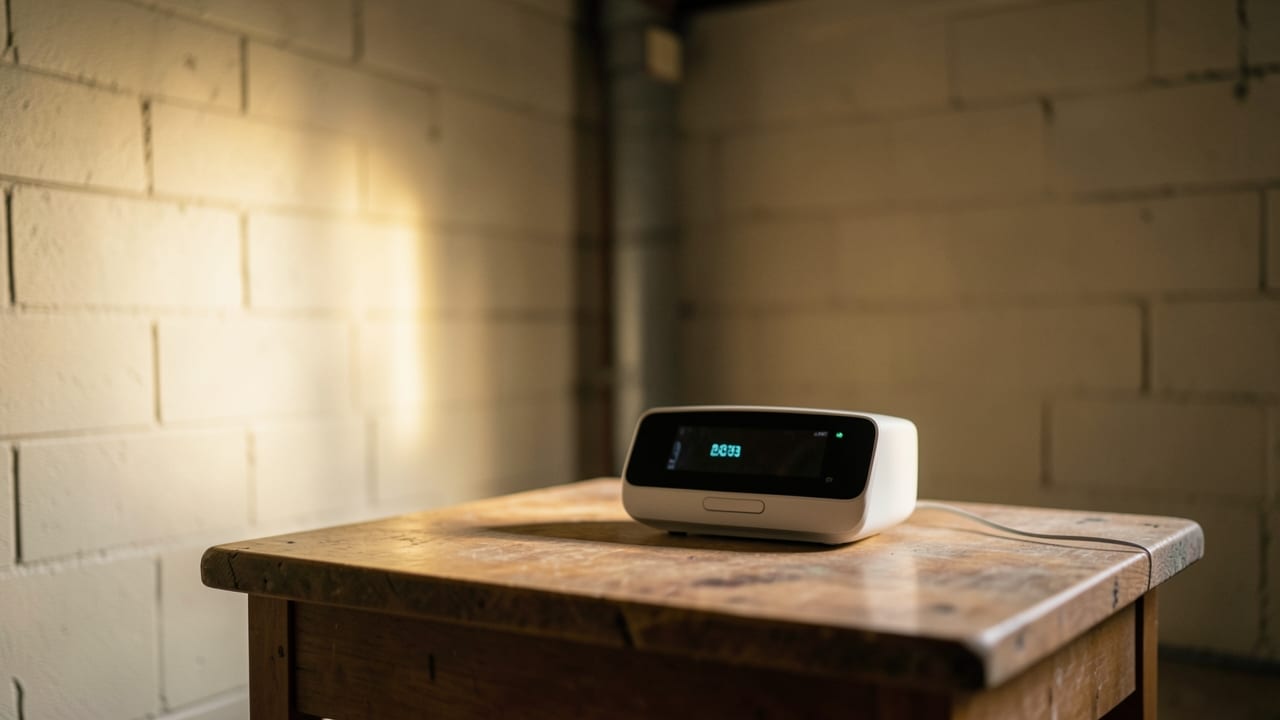
Pre-Sale Mold Clearance in Vernon, CT
Pre-sale mold clearance involves inspection and testing to confirm a property is mold-free before purchase.
Learn More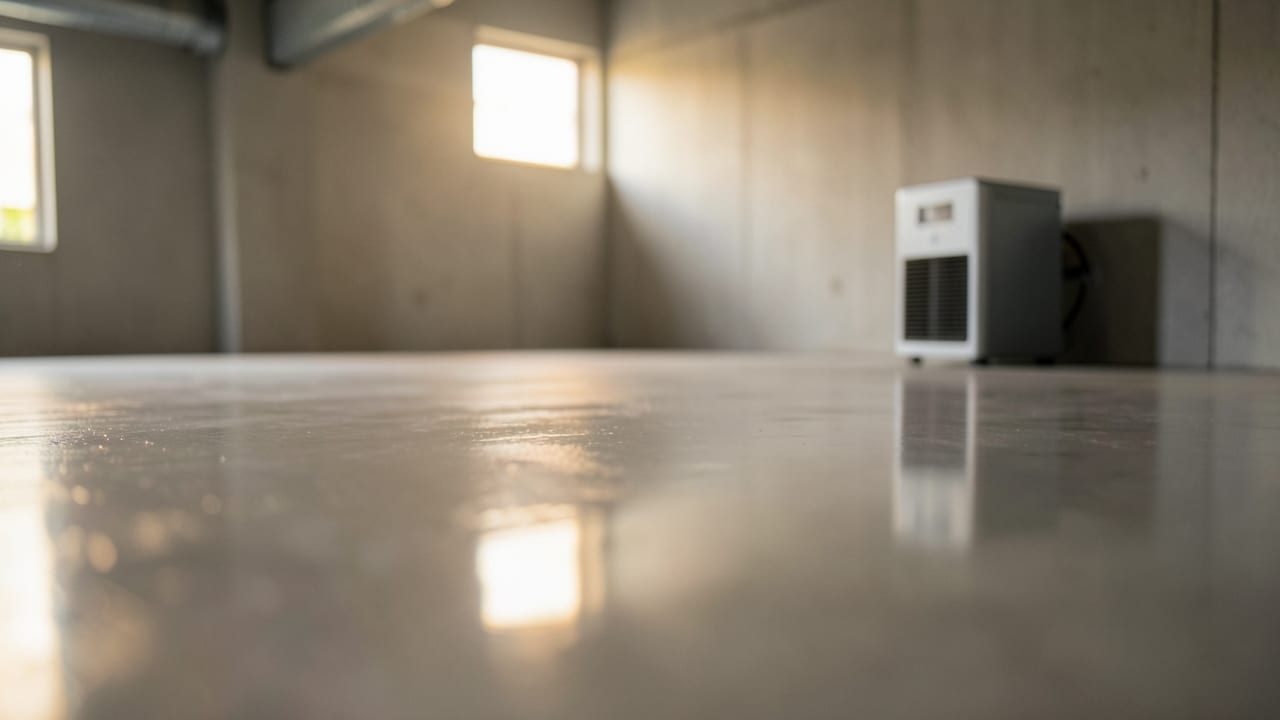
Post-Remediation Sealing in Vernon, CT
Applying protective sealants to surfaces after mold remediation to prevent future growth.
Learn More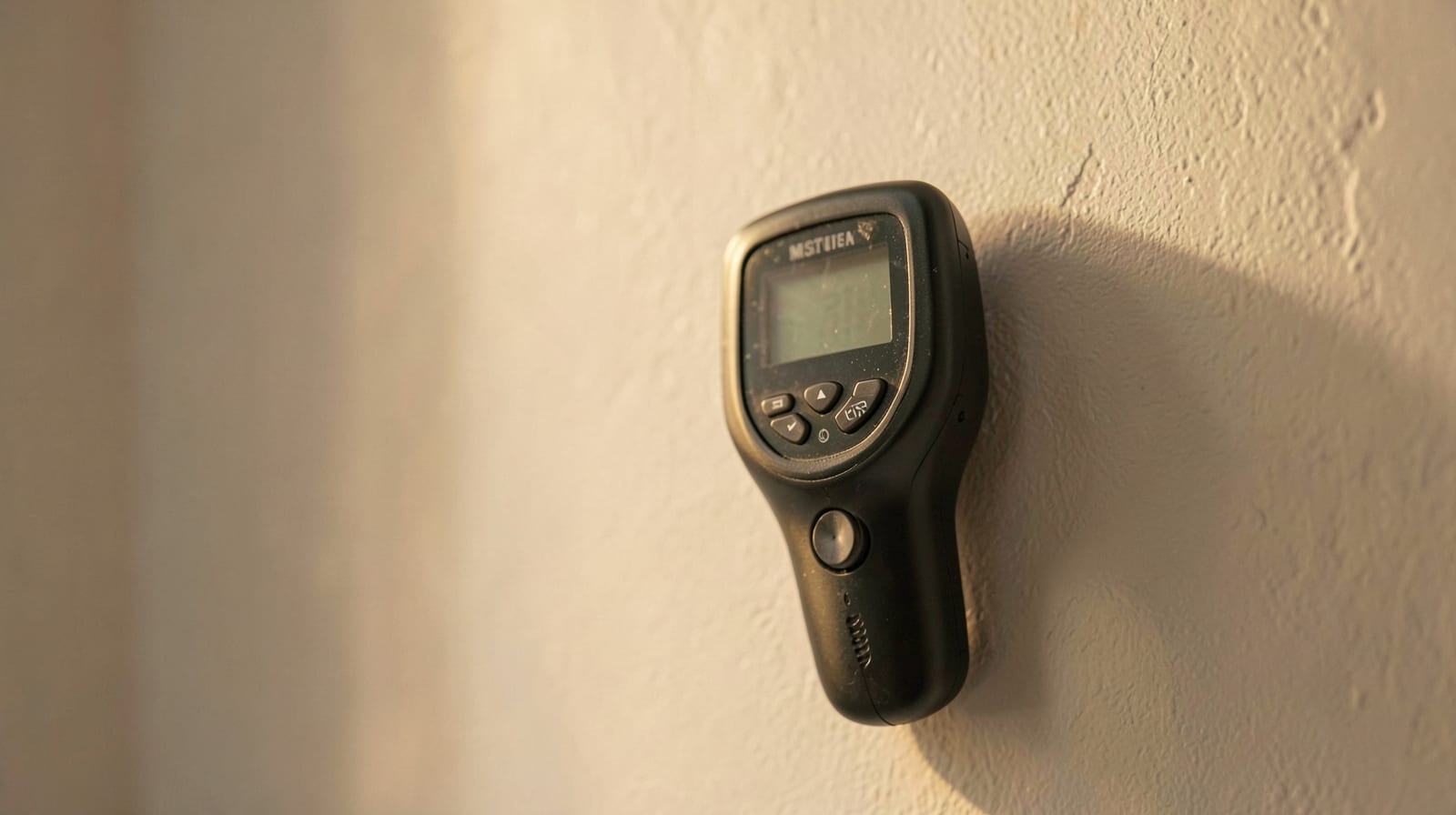
Mold Inspection in Vernon, CT
Mold inspection in Vernon, CT — a visual and moisture-meter assessment that finds the source of growth, not just the visible spot on the wall.
Learn More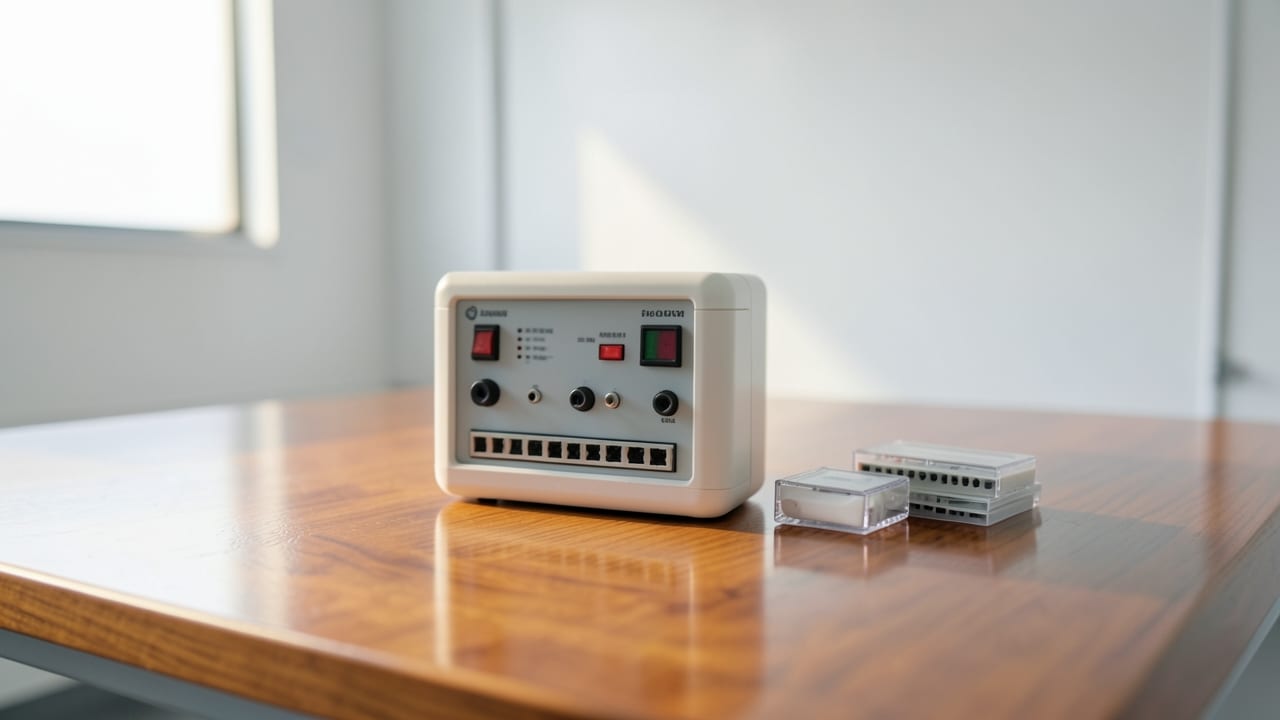
Mold Testing & Air Quality Testing in Vernon, CT
Mold and indoor air quality testing in Vernon, CT — lab-analyzed air and surface samples confirm what's actually growing and whether it's airborne.
Learn More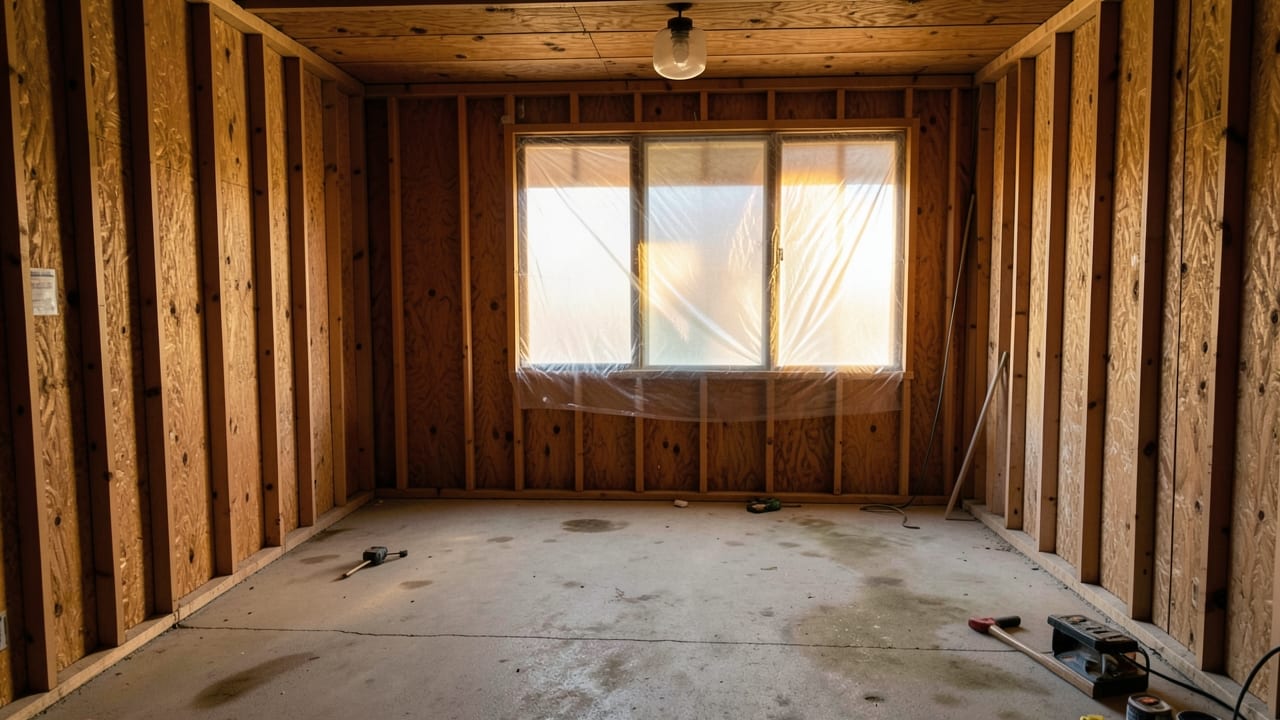
Mold Removal & Remediation in Vernon, CT
Mold removal and remediation in Vernon, CT — containment, HEPA filtration, and removal of affected material following industry (IICRC S520) protocol.
Learn More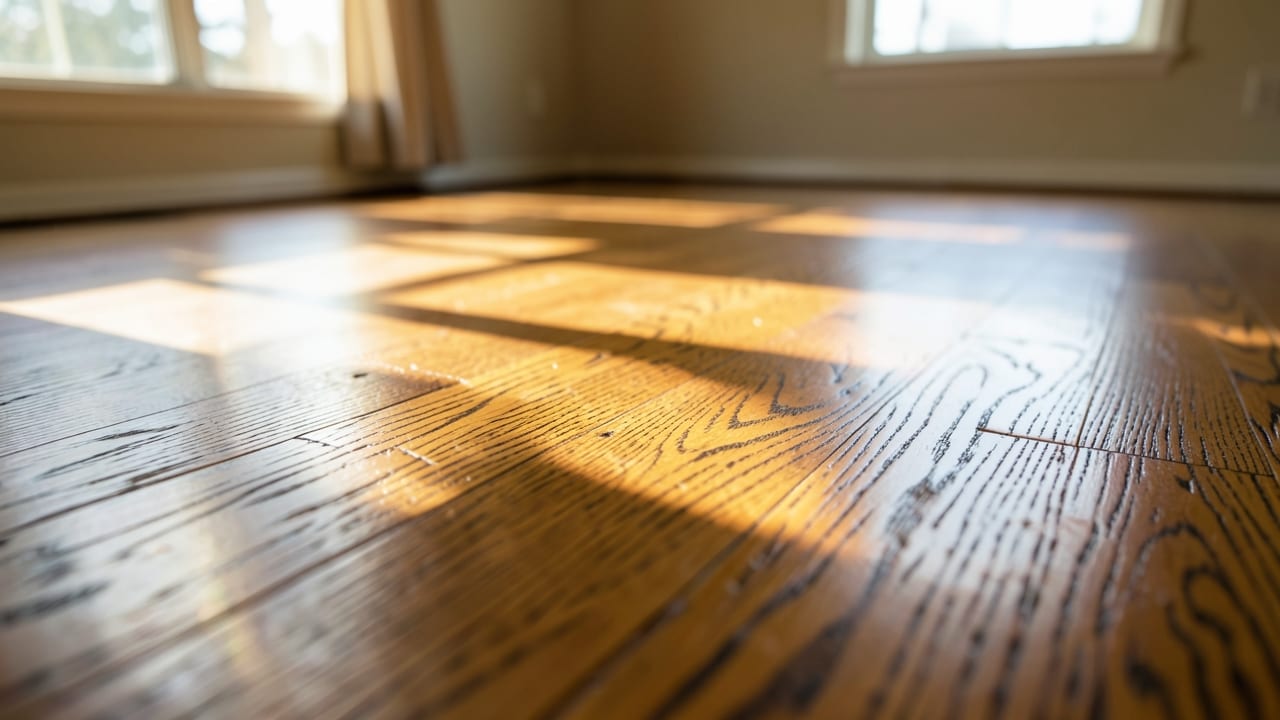
Water Damage Restoration in Vernon, CT
Water damage restoration in Vernon, CT — extraction and structural drying to stop mold growth before it starts, following a leak, storm, or flood.
Learn MoreCommon Questions About Mold Remediation in Vernon
Everything you need to know about mold remediation services in Vernon
How much does Hospital Mold Removal typically cost in Vernon, CT?
Why does Vernon, CT's humidity make mold a bigger risk than in drier regions?
Is it safe to stay in the home during mold remediation?
Can small mold problems be handled without hiring anyone?
What's the actual difference between mold removal and mold remediation?
Is a final clearance test part of a typical mold remediation job?
Need Mold Remediation in Vernon?
Connect with local providers in Vernon for a detailed quote.
⏰ We answer your call • Serving all of Vernon and surrounding areas