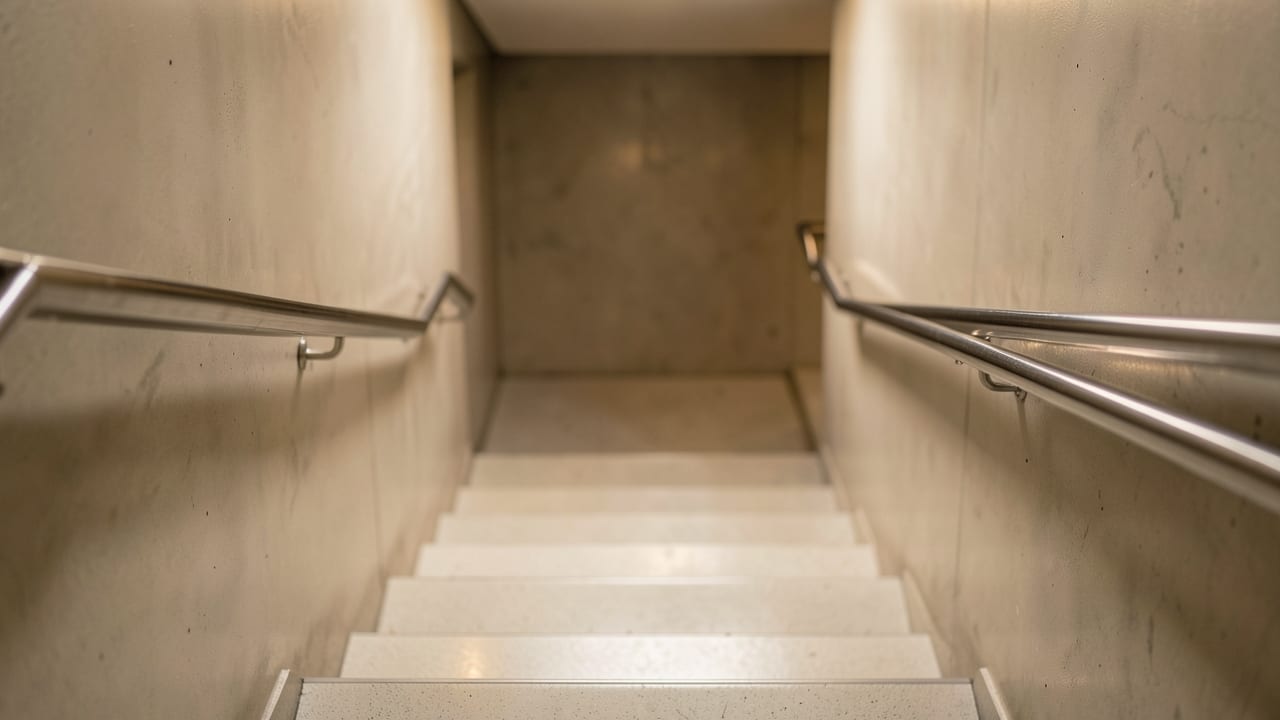
Stairwell Mold Remediation
Professional mold removal and prevention in stairwells to restore safe, clean spaces.
Stairwell mold remediation in Vernon, CT addresses mold growth in staircases, landings, and adjacent areas by removing contaminated materials and treating surfaces to prevent regrowth. The process includes containment, HEPA filtration, and moisture control to ensure spores are contained and structural damage is minimized.
This service helps protect your home’s air quality and structural integrity when mold spreads beyond a small, isolated patch.
We also handle Commercial Mold Remediation and Mold Prevention & Moisture Control for Vernon properties.
When stairwell mold needs professional attention
Mold in stairwells often signals deeper issues, especially if it covers more than a small area or keeps returning after cleaning. Growth that spreads across multiple steps, landings, or connected spaces typically requires professional remediation, as DIY methods may miss hidden spores or fail to address moisture sources.
In Connecticut, mold covering more than 25 contiguous square feet is often considered beyond typical homeowner cleanup.
Other warning signs include a persistent musty odor, visible mold regrowth after cleaning, or dampness in the stairwell area. These indicators suggest hidden moisture or extensive contamination that professional tools and containment methods can address more effectively.
Signs Professional Remediation Is Needed
- Mold covers more than a small, isolated patch (e.g., 25+ square feet).
- Visible mold keeps returning after cleaning attempts.
- A musty smell persists even when no mold is visible.
- The stairwell or connected areas feel damp or humid.
What affects pricing and timing
The cost of stairwell mold remediation depends on the size of the affected area, the extent of contamination, and whether hidden mold or moisture issues are discovered during the process.
Surface-level mold on drywall or tile typically falls within a broader range, while black mold or extensive structural involvement may increase costs. Remediation also includes containment, HEPA filtration, and clearance testing, which are often priced separately.
Timing varies based on the scope of work, with larger or more complex jobs taking longer to complete. Industrial drying equipment and containment setup add time to the process, but these steps are critical to preventing spore spread and ensuring the work is thorough.
Key steps to prepare for remediation
Before remediation begins, clear the stairwell area of personal items, furniture, or valuables that could be affected by dust or moisture. Move belongings to a dry, uncontaminated space and cover remaining items with plastic sheeting. This helps protect your belongings and ensures the crew can work efficiently without obstructions.
Notify household members, especially those with respiratory sensitivities, to stay out of the area during remediation. The containment process seals off the work zone, but spores may still be stirred up initially. Keeping pets and children away from the stairwell during the process reduces exposure risks.
Turn off HVAC systems to prevent spores from spreading through ductwork during remediation. If the stairwell connects to other parts of your home, sealing off the area with plastic sheeting (if possible) helps contain dust and debris until professional containment is set up.
How stairwell mold remediation works
This process safely removes mold and treats affected surfaces to prevent regrowth.
- 1Containment Setup
Plastic sheeting and negative-air machines seal the stairwell and connected areas to prevent spores from spreading during removal. This step keeps contamination localized to the work zone.
- 2Material Removal and Treatment
Porous materials like drywall or carpet padding that absorb mold are cut out and bagged inside containment. Non-porous surfaces, such as framing or tile, are scrubbed and treated to kill remaining spores.
- 3HEPA Filtration and Cleanup
HEPA air scrubbers run continuously to capture airborne spores, and surfaces are vacuumed with HEPA-filtered equipment. This ensures spores are removed from the air and not recirculated.
- 4Structural Drying
Industrial dehumidifiers and air movers dry framing and subfloors to normal moisture levels. Mold regrows on damp materials, so this step helps prevent recurrence.
- 5Clearance Testing
An independent lab tests air or surfaces after remediation to confirm spore counts are within normal ranges. This step verifies the work is complete before containment is removed.
Frequently asked questions
How do I know if my stairwell mold is too extensive for DIY cleaning?
If mold covers more than a small patch (e.g., 25+ square feet), keeps returning after cleaning, or you notice a musty smell with no visible growth, professional remediation is likely needed. DIY methods often miss hidden spores or moisture sources, leading to regrowth.
Will the remediation process affect other parts of my home?
Proper containment seals off the work area to prevent spores from spreading. However, if doors are left open or plastic sheeting tears, spores may drift into unaffected spaces. The crew follows protocols to minimize this risk, but homeowners should avoid disturbing the area during the process.
How long does it take to remediate a moldy stairwell?
Timing varies based on the scope, but containment setup, material removal, drying, and testing typically take 1–3 days. Larger or more complex jobs may require additional time for thorough drying and clearance testing.
What should I do if mold keeps coming back after remediation?
Recurring mold often indicates an unresolved moisture issue, such as a leak or poor ventilation. After remediation, monitor humidity levels in the area and address any lingering dampness. A small fan or dehumidifier may help maintain dry conditions in persistently damp spaces.
See Manchester, CT for more, or take a look at every option available in Vernon before booking for our complete lineup.
Ready to get started?
Talk to a local mold remediation pro in Vernon — get a written quote.
Other Mold Remediation Services in Vernon
Commercial Mold Remediation in Vernon, CT
Commercial mold inspection and remediation in Vernon, CT for offices, retail space, and multi-unit properties, scheduled around business operations.
Learn More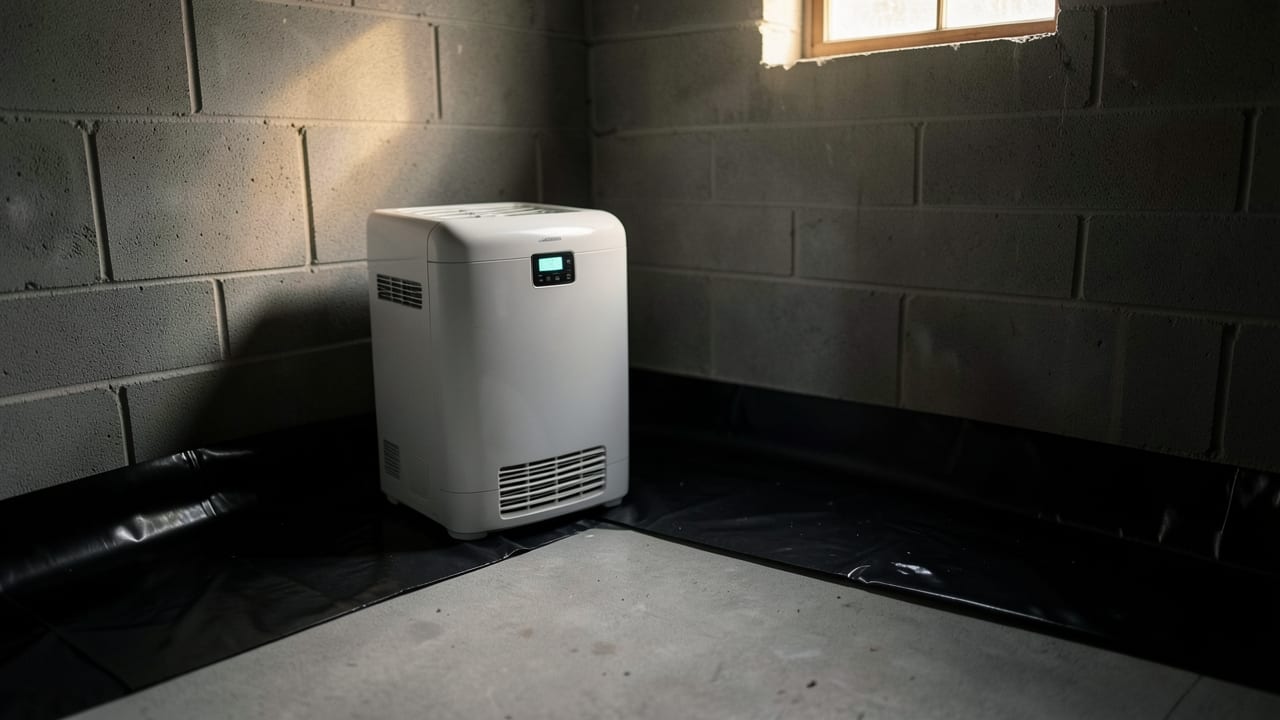
Mold Prevention & Moisture Control in Vernon, CT
Mold prevention and moisture control in Vernon, CT — addressing ventilation, humidity, and drainage before growth starts, not after.
Learn More
Mold & Asbestos Testing in Vernon, CT
Combined mold and asbestos testing in Vernon, CT — one inspection visit, lab-verified results for both.
Learn More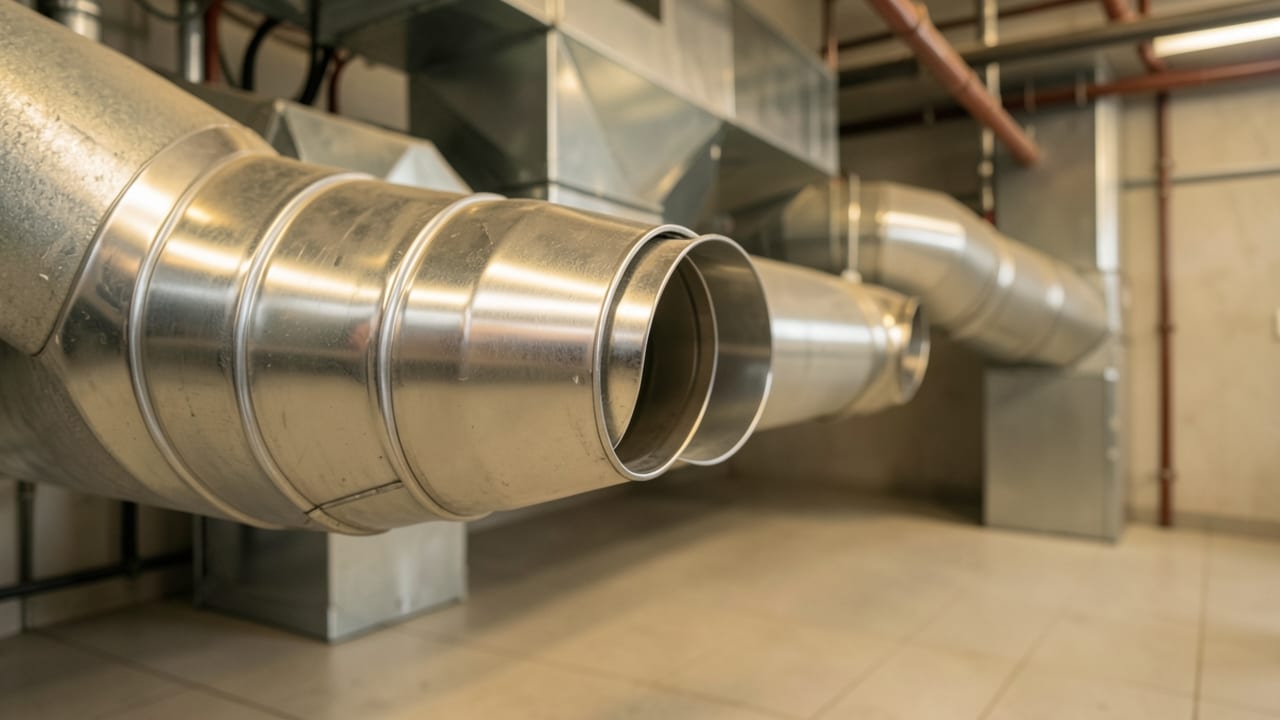
HVAC Mold Remediation in Vernon, CT
HVAC and ductwork mold remediation in Vernon, CT — mold growing inside the air handler or duct system, spreading through every vent.
Learn More
Bathroom Mold Removal in Vernon, CT
Professional assessment and removal of mold in bathrooms to restore a safe, clean environment.
Learn More
Kitchen Mold Cleanup in Vernon, CT
Professional assessment and removal of mold in kitchen areas to restore a safe, clean environment.
Learn MoreCommon Questions About Mold Remediation in Vernon
Everything you need to know about mold remediation services in Vernon
How much does Stairwell Mold Remediation typically cost in Vernon, CT?
Why does Vernon, CT's humidity make mold a bigger risk than in drier regions?
Is it safe to stay in the home during mold remediation?
Can small mold problems be handled without hiring anyone?
What's the actual difference between mold removal and mold remediation?
Is a final clearance test part of a typical mold remediation job?
Need Mold Remediation in Vernon?
Connect with local providers in Vernon for a detailed quote.
⏰ We answer your call • Serving all of Vernon and surrounding areas