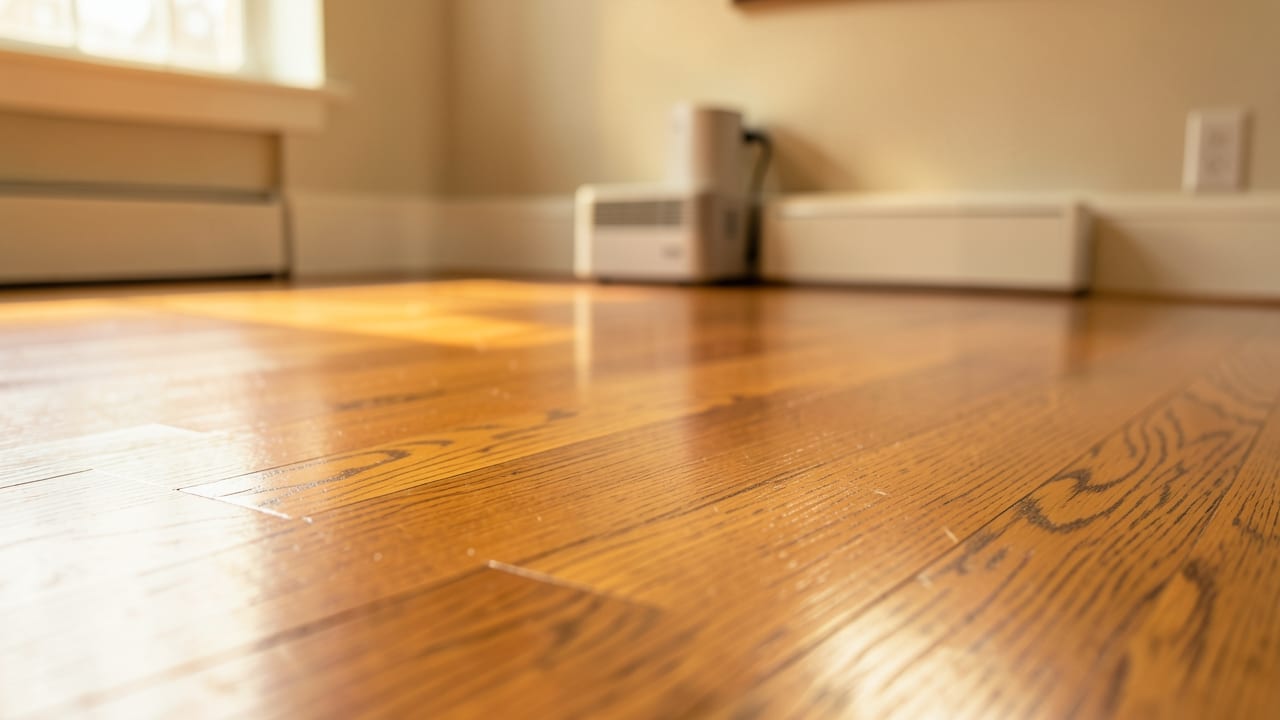
Pet Urine Mold Treatment
Professional removal of mold caused by pet urine in homes, including assessment and treatment.
Pet urine mold in Vernon, CT homes often hides beneath carpets, in subflooring, or behind walls, creating lingering odors and potential health concerns. Professional remediation targets these hidden growths using containment, HEPA filtration, and moisture control to help prevent regrowth after removal.
This process is designed to restore indoor air quality and protect your home’s structure from further damage.
We also handle Window Sill Mold Cleanup and Flood Damage Mold Remediation for Vernon properties.
When pet urine mold needs professional treatment
Pet urine mold often starts small but can spread quickly if moisture and organic material remain. Homeowners in Vernon should consider professional help when mold covers more than a few square feet, keeps returning after cleaning, or emits a musty smell with no visible source.
Hidden growth—like behind baseboards or under flooring—often requires specialized tools and techniques to locate and remove safely.
Rooms with poor airflow, such as windowless bathrooms or basements, are especially prone to recurring mold. If you’ve noticed persistent odors, discoloration, or health symptoms like sneezing or irritation, these are signs the problem may have gone beyond surface-level cleanup.
Professional remediation addresses both the mold and the moisture source to help reduce the risk of regrowth.
Signs Professional Pet Urine Mold Treatment May Be Needed
- Mold covers more than 25 contiguous square feet (a common threshold for professional work).
- The same spot keeps growing mold after repeated cleaning attempts.
- A musty smell exists with no visible mold in the room.
- The odor worsens when the HVAC system runs, suggesting ductwork contamination.
- Health symptoms (sneezing, coughing, skin irritation) appear after exposure to the area.
What affects cost and timeline for pet urine mold remediation
Pricing for pet urine mold treatment in Vernon varies based on the size of the affected area, the materials involved (e.g., carpet padding vs. drywall), and whether hidden growth requires demolition.
Jobs are typically quoted per project after an inspection, as the scope often includes specialty treatments like enzymatic odor control or moisture source repairs.
Timing depends on containment setup, drying periods, and clearance testing. Larger or complex jobs may take several days, while smaller patches can be addressed in a single visit. Post-remediation monitoring—such as checking humidity levels—helps ensure long-term success by catching early signs of recurrence.
Why containment and testing matter
During remediation, plastic sheeting and negative-air machines seal off the work area to prevent mold spores from spreading to unaffected parts of your home. Standard vacuums or non-HEPA air scrubbers can recirculate spores, worsening contamination.
Industrial dehumidifiers and air movers dry structural materials to prevent regrowth, while independent clearance testing confirms spore levels return to normal ranges before the area is reopened.
Skipping containment or testing increases the risk of hidden spores lingering in HVAC systems, walls, or ductwork. Without fixing the moisture source—like a leak or poor ventilation—the same conditions that caused the mold will persist, leading to recurrence.
Professional remediation follows steps to minimize these risks, but results depend on addressing both the mold and its underlying cause.
| Step | Why It’s Critical | What Happens Without It |
|---|---|---|
| Containment with plastic sheeting | Prevents spores from drifting into other rooms during removal | Spore spread turns a contained job into a larger, multi-room contamination |
| HEPA air scrubbing | Captures airborne spores instead of recirculating them | Standard filters release spores back into the air, worsening indoor air quality |
| Structural drying | Eliminates moisture that fuels regrowth in hidden areas | Damp materials remain vulnerable to new mold growth within months |
| Clearance testing | Confirms spore levels return to normal ranges | No independent verification that the remediation worked |
How pet urine mold treatment works
This process focuses on safely removing hidden mold and preventing recurrence by controlling moisture and airflow.
- 1Containment Setup
Plastic sheeting and negative-air machines seal the affected area to trap spores during removal, preventing them from spreading to other parts of your home.
- 2Removal of Contaminated Materials
Porous materials like carpet padding or drywall—where mold grows deep—are cut out and bagged. Non-porous surfaces (tile, metal framing) are scrubbed and treated to kill remaining spores.
- 3HEPA Filtration and Cleanup
HEPA vacuums and air scrubbers capture spores stirred up during removal, while surfaces are cleaned with antimicrobial solutions to inhibit regrowth.
- 4Structural Drying
Industrial dehumidifiers and air movers reduce moisture in framing and subflooring to normal levels, as mold regrows on damp materials even after visible traces are gone.
- 5Clearance Testing
An independent lab tests air or surfaces post-remediation to confirm spore counts are back to normal before containment is removed.
Frequently asked questions
How do I know if the pet urine mold is hidden behind walls or under flooring?
Look for musty odors with no visible mold, discoloration along baseboards, or warping in flooring. If the smell worsens when the HVAC runs, it may indicate ductwork contamination. Professional tools like moisture meters or infrared cameras can detect hidden growth during an inspection.
Will my carpets or furniture need to be replaced after pet urine mold treatment?
Porous materials like carpet padding or upholstered furniture may need replacement if mold has penetrated deeply. Non-porous items (hardwood floors, tile) can often be cleaned and treated. A professional inspection determines what’s salvageable and what must be removed.
How long should I stay out of the treated area after remediation?
Containment remains in place until drying and testing are complete, which can take 24–72 hours. Avoid re-entering until the crew confirms the area is safe. Follow their guidance on ventilation and humidity monitoring afterward to help prevent recurrence.
Can I prevent pet urine mold from coming back after treatment?
Fixing the moisture source—like repairing leaks, improving airflow, or using dehumidifiers—helps reduce recurrence risk. Regularly checking for dampness or odors in treated areas and addressing issues early can also help maintain results.
See Hazardville, CT for more, or check out every option available in Vernon by neighborhood for our complete lineup.
Ready to get started?
Talk to a local mold remediation pro in Vernon — get a written quote.
Other Mold Remediation Services in Vernon
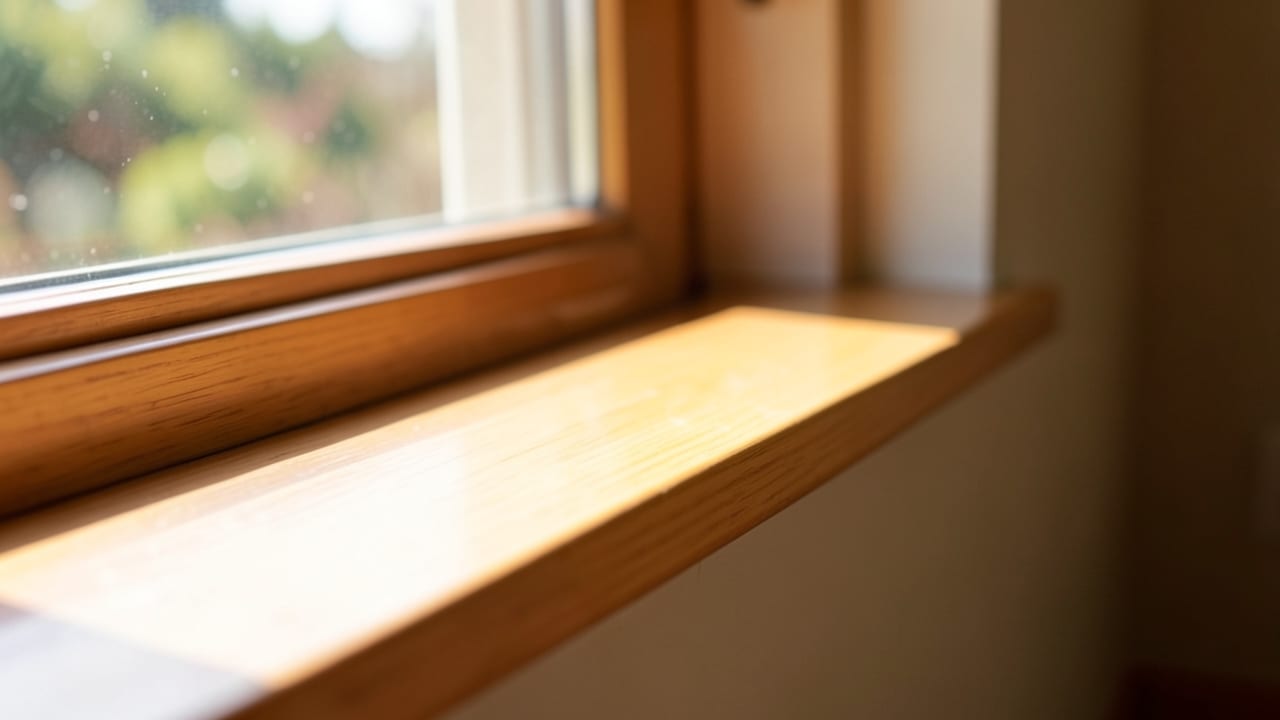
Window Sill Mold Cleanup in Vernon, CT
Professional cleanup of mold growth on window sills to restore a healthy indoor environment.
Learn More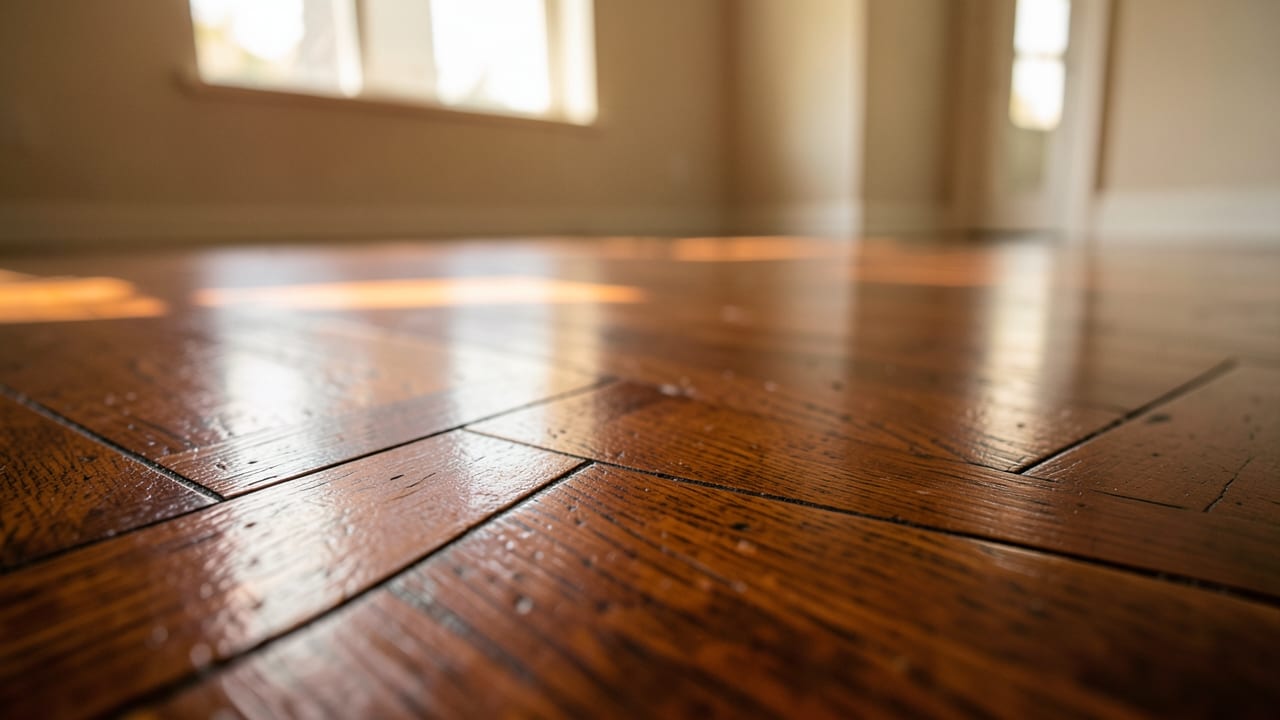
Flood Damage Mold Remediation in Vernon, CT
Professional mold removal and remediation after flood damage in homes.
Learn More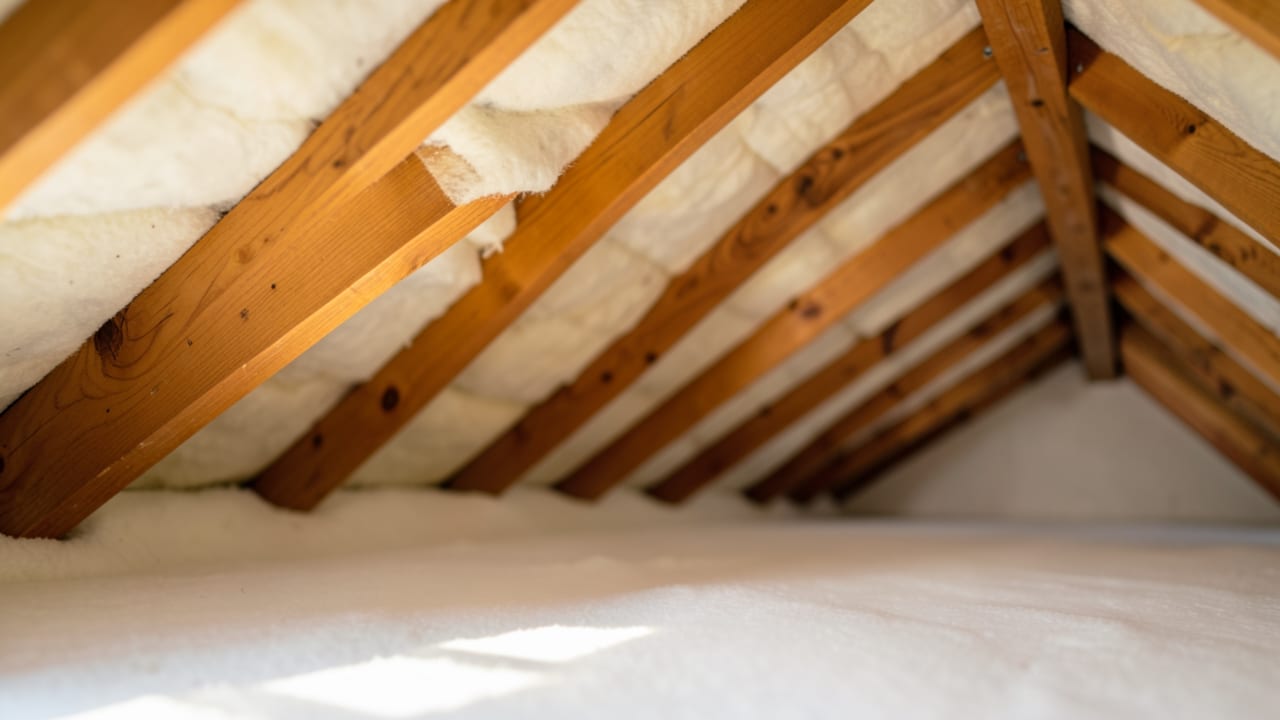
Roof Leak Mold Remediation in Vernon, CT
Professional removal of mold caused by roof leaks to restore a safe, healthy home environment.
Learn More
Apartment Mold Remediation in Vernon, CT
Professional mold removal and remediation for apartments to restore safe living conditions.
Learn More
Hospital Mold Removal in Vernon, CT
Professional assessment and removal of mold in hospitals to ensure a safe, healthy environment.
Learn More
Warehouse Mold Cleanup in Vernon, CT
Professional removal of mold from warehouse spaces to restore safe, clean conditions.
Learn MoreCommon Questions About Mold Remediation in Vernon
Everything you need to know about mold remediation services in Vernon
How much does Pet Urine Mold Treatment typically cost in Vernon, CT?
Why does Vernon, CT's humidity make mold a bigger risk than in drier regions?
Does homeowners insurance typically cover mold remediation?
Is black mold actually more dangerous than other mold types?
How long does a typical mold remediation job take?
Is it safe to stay in the home during mold remediation?
Need Mold Remediation in Vernon?
Connect with local providers in Vernon for a detailed quote.
⏰ We answer your call • Serving all of Vernon and surrounding areas