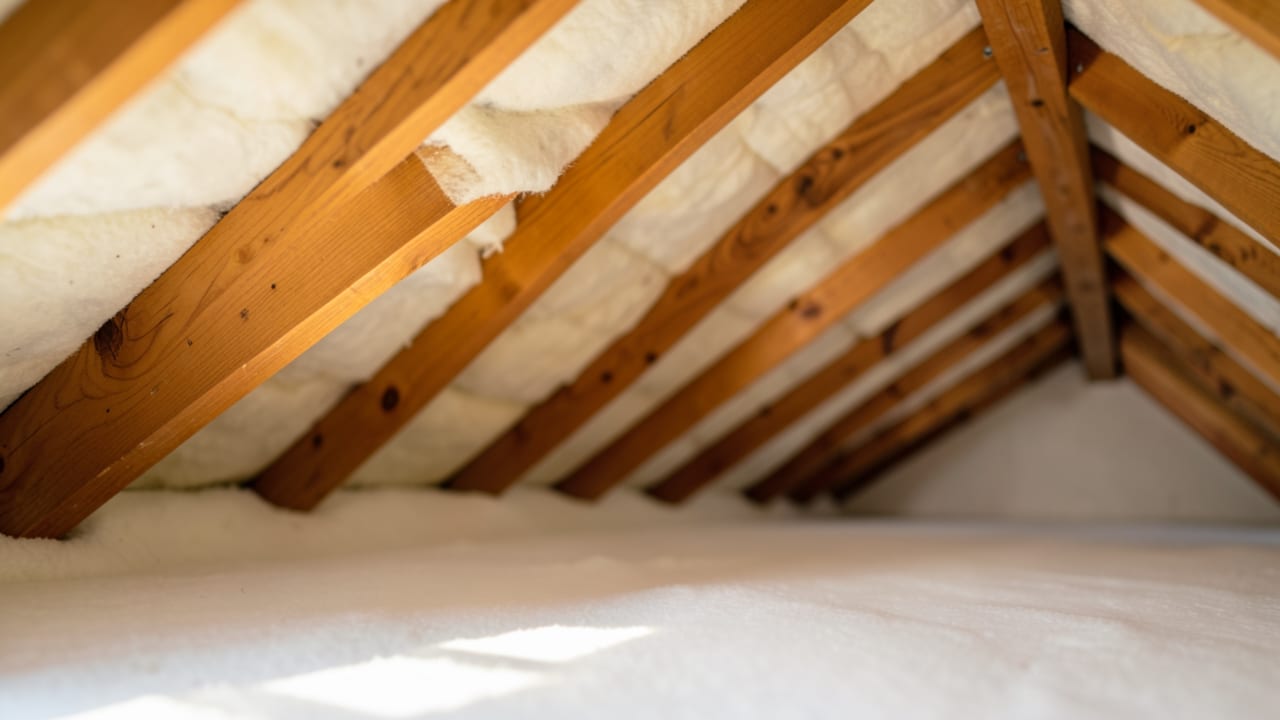
Roof Leak Mold Remediation
Professional removal of mold caused by roof leaks to restore a safe, healthy home environment.
When a roof leak in Vernon, CT, goes unchecked, mold growth can spread quickly through your home’s structure. Roof leak mold remediation targets the hidden damage caused by water intrusion, addressing containment, removal, and drying to restore air quality and prevent regrowth.
Unlike surface cleaning, this process requires professional techniques to safely eliminate mold and fix moisture sources—critical steps to avoid recurrence.
We also handle Fire Smoke Mold Remediation and Pet Urine Mold Treatment for Vernon properties.
When to act: signs you need roof leak mold remediation
Mold from a roof leak often hides behind walls, under flooring, or inside framing until it’s too late. Look for musty odors that worsen when the HVAC runs, or visible growth covering more than a small patch (over 25 square feet is a common threshold for professional intervention).
If mold keeps returning after cleaning, the moisture source—likely your roof—hasn’t been addressed.
Hidden growth in windowless rooms, closets, or basements is another red flag. These areas trap humidity, creating ideal conditions for mold to thrive even after surface cleaning. A professional inspection can reveal whether the problem is isolated or systemic, guiding the next steps for safe remediation.
Warning Signs Your Roof Leak Mold Needs Professional Help
- Mold growth covering more than 25 contiguous square feet (a common DIY limit).
- A musty smell that persists even after cleaning visible mold or gets stronger when the HVAC turns on.
- Mold that reappears in the same spot within weeks of cleaning.
- Visible water stains or sagging ceilings indicating an active roof leak.
- Hidden dampness in walls, floors, or basements—check with a moisture meter if unsure.
What affects cost and timeline?
The size of the affected area is the biggest factor in pricing, with Vernon-area roof leak mold remediation typically ranging from $11 to $27 per square foot for standard jobs. Black mold cases often run 15–25% higher due to additional safety precautions.
Hidden damage—like mold behind walls or in ductwork—can extend the job and increase costs, as containment and removal become more complex.
Timing depends on moisture levels, material removal needs, and drying requirements. Industrial dehumidifiers and air movers may run for days to ensure framing and subfloors reach safe moisture levels before containment is removed. Skipping proper drying risks regrowth, so rushing this step can lead to a costlier repeat job later.
What’s included in a proper remediation?
A thorough roof leak mold remediation goes beyond surface cleaning. It includes sealing the work area with plastic sheeting and negative-air machines to trap spores, removing porous materials (like drywall or insulation) that can’t be fully cleaned, and treating non-porous surfaces with antimicrobial solutions.
HEPA air scrubbers run continuously to prevent spores from spreading, and industrial drying equipment ensures moisture levels drop to safe ranges before the space is closed up.
Clearance testing by an independent lab confirms the job is complete. Without this step, there’s no way to verify whether spores remain at normal levels.
Many homeowners assume the work is done once walls are back up—but hidden moisture or incomplete containment can lead to regrowth if these details are overlooked.
| Step | Purpose | Why It Matters |
|---|---|---|
| Containment with plastic sheeting | Seals the work area to prevent spores from spreading | Stops contamination from migrating to unaffected rooms via air currents |
| Removal of porous materials (drywall, insulation) | Eliminates mold-harboring materials that can’t be cleaned | Prevents regrowth from hidden spores in these materials |
| HEPA air scrubbing and vacuuming | Captures airborne spores during removal | Standard vacuums and non-HEPA filters recirculate spores, worsening contamination |
| Structural drying with dehumidifiers | Reduces moisture to safe levels in framing/subfloors | Mold regrows on damp wood even after visible traces are removed |
| Independent clearance testing | Verifies spore counts are back to normal | Confirms the job is complete; no confirmation = no proof of success |
How roof leak mold remediation works
This process follows strict protocols to safely eliminate mold and prevent recurrence.
- 1Containment Setup
Plastic sheeting and negative-air machines seal the affected area, creating a controlled zone. This traps spores stirred up during removal, preventing them from drifting into hallways or HVAC systems.
- 2Material Removal and Cleaning
Porous materials (drywall, insulation, carpet padding) that absorb mold are cut out and bagged. Non-porous surfaces (framing, tile) are scrubbed with antimicrobial solutions and HEPA-vacuumed to remove spores.
- 3Structural Drying
Industrial dehumidifiers and air movers run for days to lower moisture levels in framing and subfloors. Mold won’t regrow if these materials dry completely, but rushing this step can lead to hidden dampness.
- 4HEPA Filtration Throughout
Air scrubbers with true HEPA filters run continuously during removal. Standard shop vacuums or non-HEPA filters don’t capture spores—they recirculate them, making the problem worse.
- 5Clearance Testing
An independent lab tests air or surface samples after removal. This confirms spore counts are back to normal before containment is removed, ensuring the job is truly complete.
Frequently asked questions
Can I clean mold from a roof leak myself, or do I need a professional?
Surface cleaning may work for very small patches, but roof leak mold often hides in walls, framing, or ductwork. Professionals use containment, HEPA filtration, and clearance testing to ensure spores don’t spread or return. If the growth covers more than 25 square feet or keeps coming back, it’s past DIY scale.
How long does the drying process take after mold removal?
Drying framing and subfloors can take several days, depending on moisture levels. Industrial dehumidifiers and air movers run until moisture meters confirm safe readings. Skipping this step risks regrowth, even if visible mold is gone.
Will fixing the roof leak alone stop mold from coming back?
Not always. If mold has already grown into porous materials (like drywall or insulation), those must be removed. However, fixing the leak is critical—without addressing the moisture source, hidden mold can regrow within months. Clearance testing afterward helps verify whether the problem is resolved.
Do I need to be home during the remediation process?
You’ll want to avoid the work area during containment and removal, as spores can be stirred up. Professionals will advise on safe zones in your home. Returning too soon can expose you to lingering spores, even with HEPA filtration in place.
See South Windsor, CT for more, or take a look at our complete Vernon service list by service type for our complete lineup.
Ready to get started?
Talk to a local mold remediation pro in Vernon — get a written quote.
Other Mold Remediation Services in Vernon
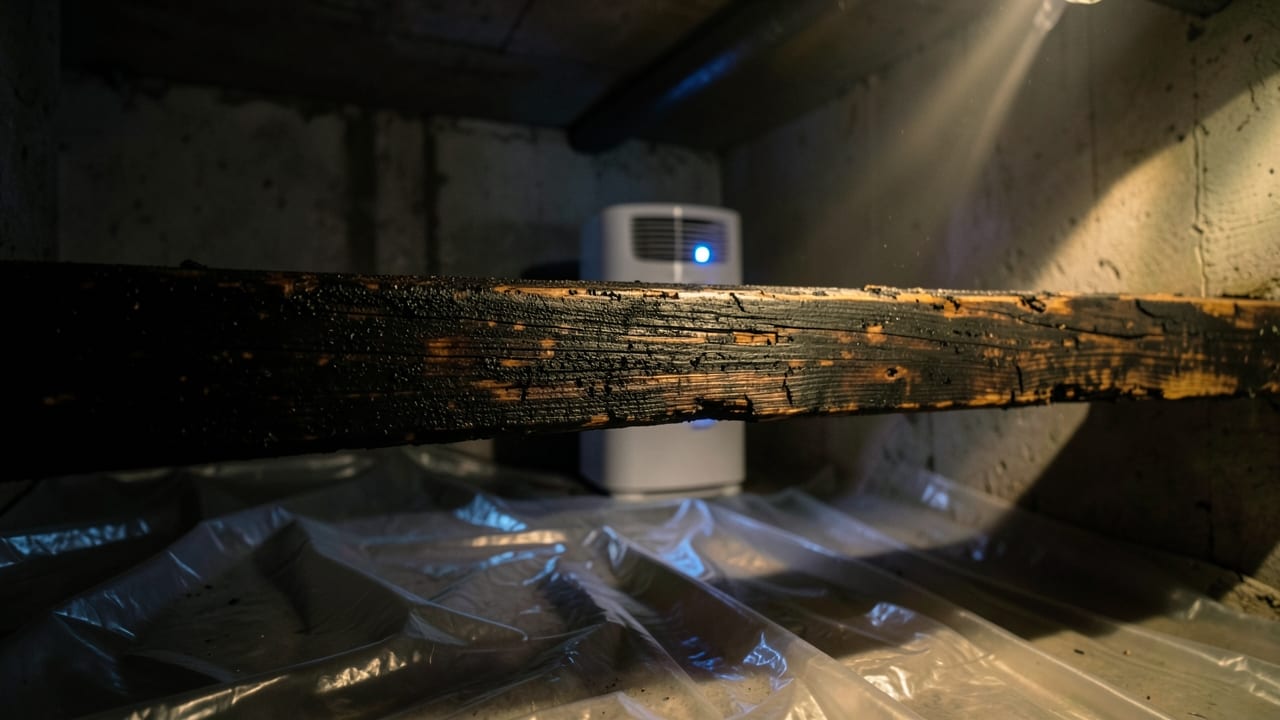
Fire Smoke Mold Remediation in Vernon, CT
Professional cleanup and restoration of fire, smoke, and mold damage in homes.
Learn More
Pet Urine Mold Treatment in Vernon, CT
Professional removal of mold caused by pet urine in homes, including assessment and treatment.
Learn More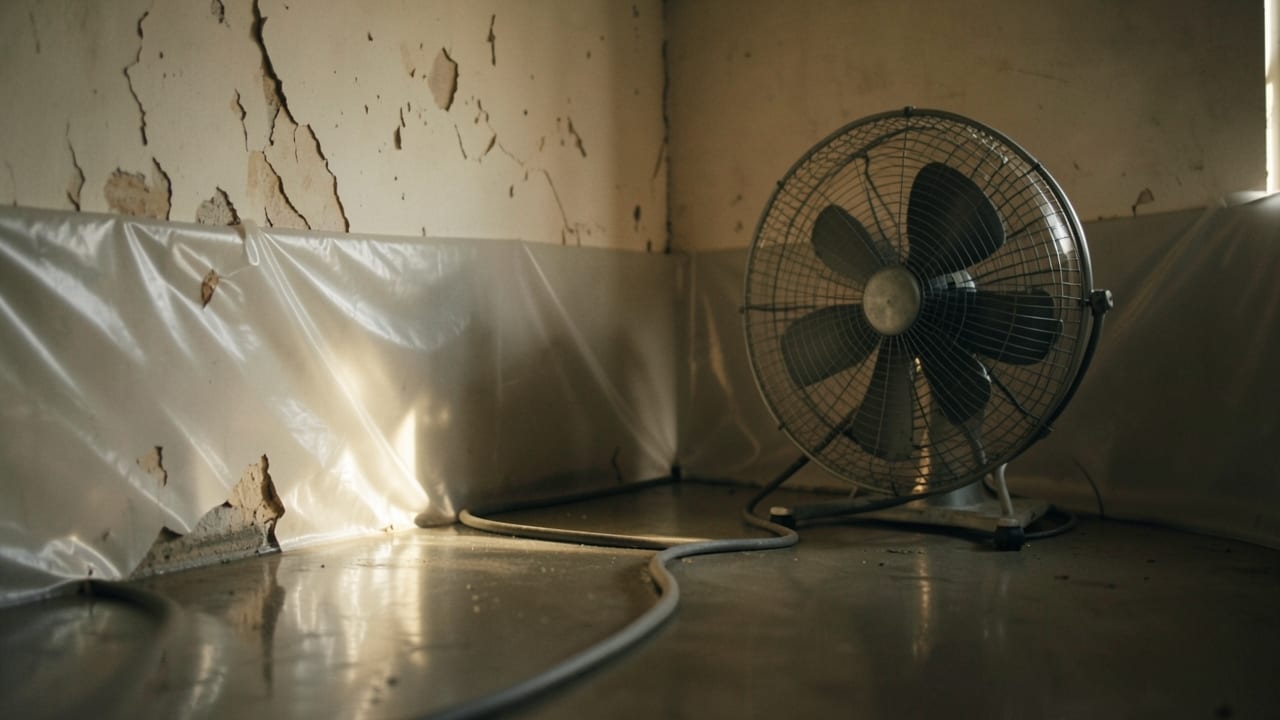
Storm Damage Mold Cleanup in Vernon, CT
Professional cleanup and remediation of mold caused by storm-related water damage in homes.
Learn More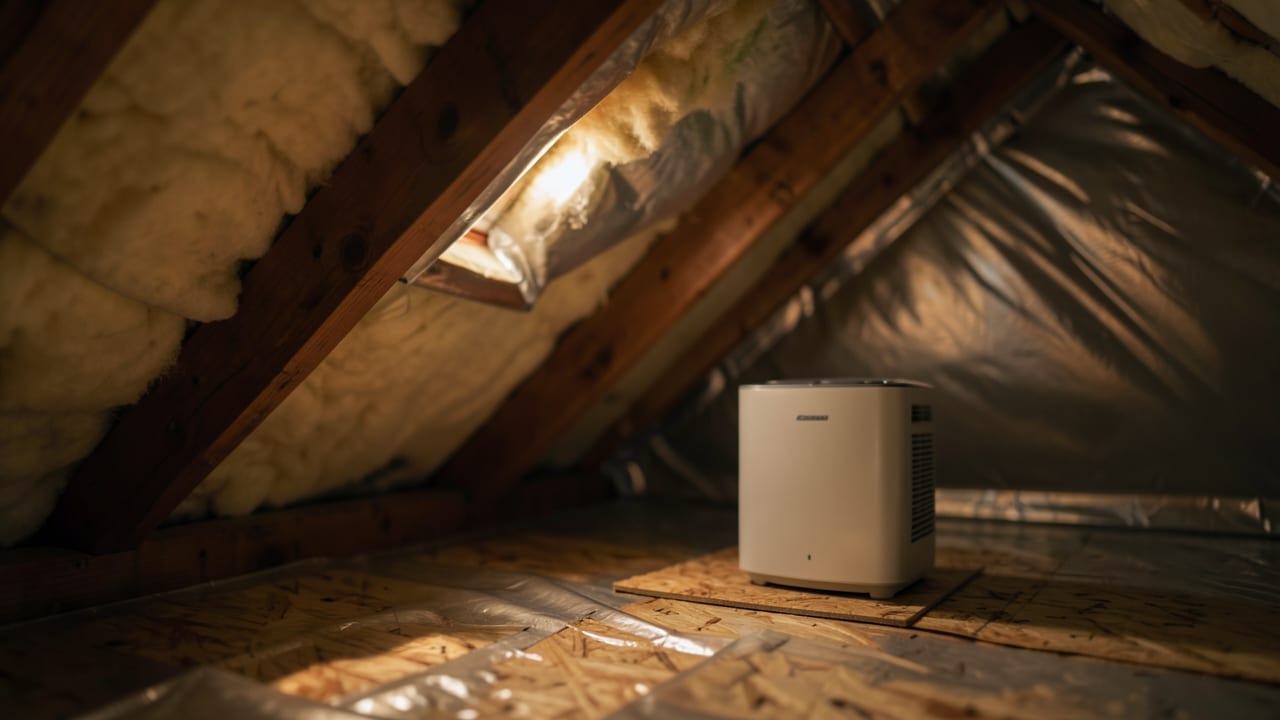
Pre-Winter Mold Prevention in Vernon, CT
Pre-winter mold prevention involves inspection and treatment to stop mold growth before cold weather.
Learn More
Move-In Mold Assessment in Vernon, CT
Professional inspection and assessment of mold presence before moving into a property.
Learn More
Pre-Sale Mold Clearance in Vernon, CT
Pre-sale mold clearance involves inspection and testing to confirm a property is mold-free before purchase.
Learn MoreCommon Questions About Mold Remediation in Vernon
Everything you need to know about mold remediation services in Vernon
How much does Roof Leak Mold Remediation typically cost in Vernon, CT?
Why does Vernon, CT's humidity make mold a bigger risk than in drier regions?
How long does a typical mold remediation job take?
Is it safe to stay in the home during mold remediation?
Can small mold problems be handled without hiring anyone?
What's the actual difference between mold removal and mold remediation?
Need Mold Remediation in Vernon?
Connect with local providers in Vernon for a detailed quote.
⏰ We answer your call • Serving all of Vernon and surrounding areas